Mortenson Center in
Global Engineering & Resilience
College of Engineering & Applied Science
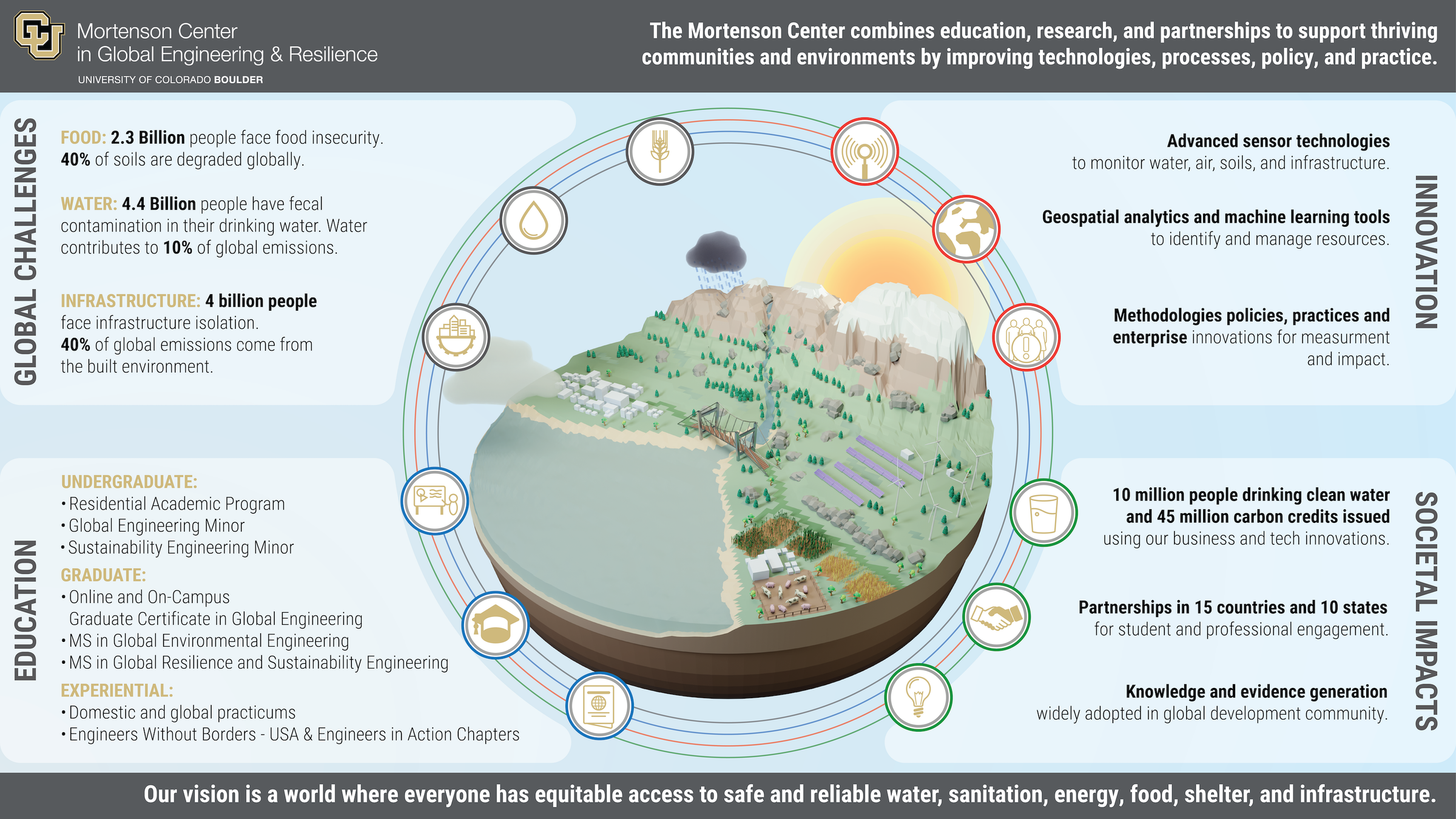
Engineering Equitable Access for All
Leadership & Faculty
Evan Thomas, PhD, PE, MPH
Director & Mortenson Endowed Chair. Professor in CEAE and Aerospace.
Laura MacDonald, PhD
Managing Director. Water quality & climate finance research.
Denis Muthike, PhD
Associate Director, Global Engineering RAP. Hydroclimatology.

Karl G. Linden, PhD
Associate Director & Mortenson Professor. WASH Systems.

Rita Klees, PhD
Associate Director, Outreach. Professor of Engineering Practice.
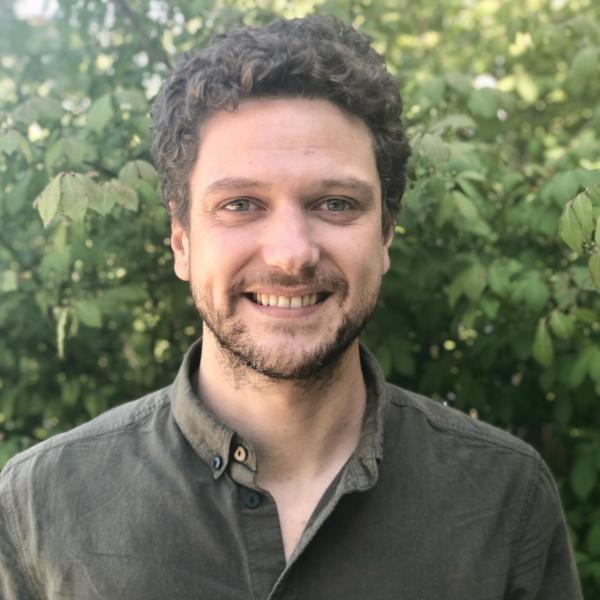
Carlo Salvinelli, PhD
Faculty Fellow. Associate Teaching Professor.
Zia Mehrabi, PhD
Faculty Fellow. Asst. Professor, Environmental Studies.

Grace Burleson, PhD
Faculty Fellow. Asst. Professor, Mechanical Engineering.
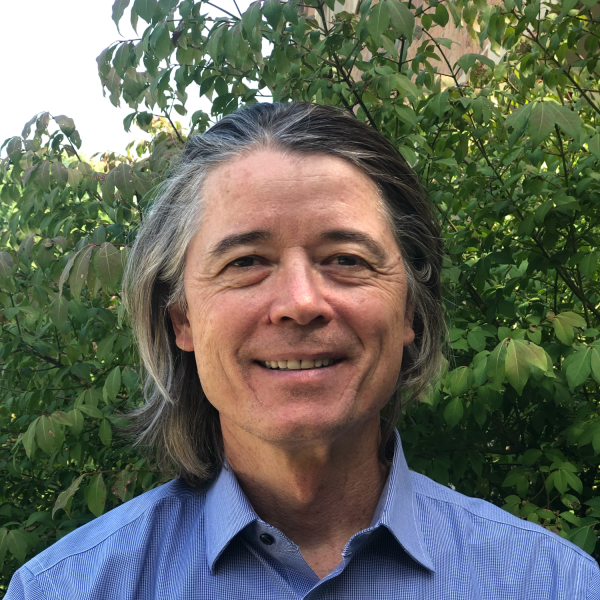
Gunārs Platais, PhD
Adjunct Associate Professor.
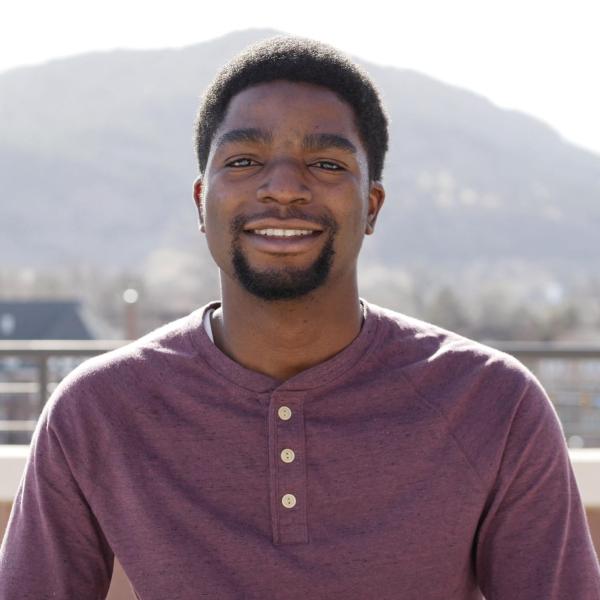
John Edem Ecklu, PhD
Postdoctoral Associate. Climate finance & water insecurity.
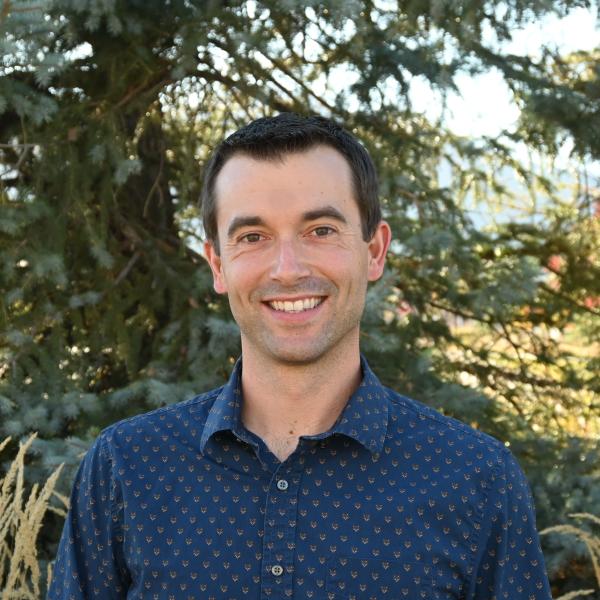
James Harper, PhD
Faculty Fellow. Asst. Professor, Mechanical Engineering.
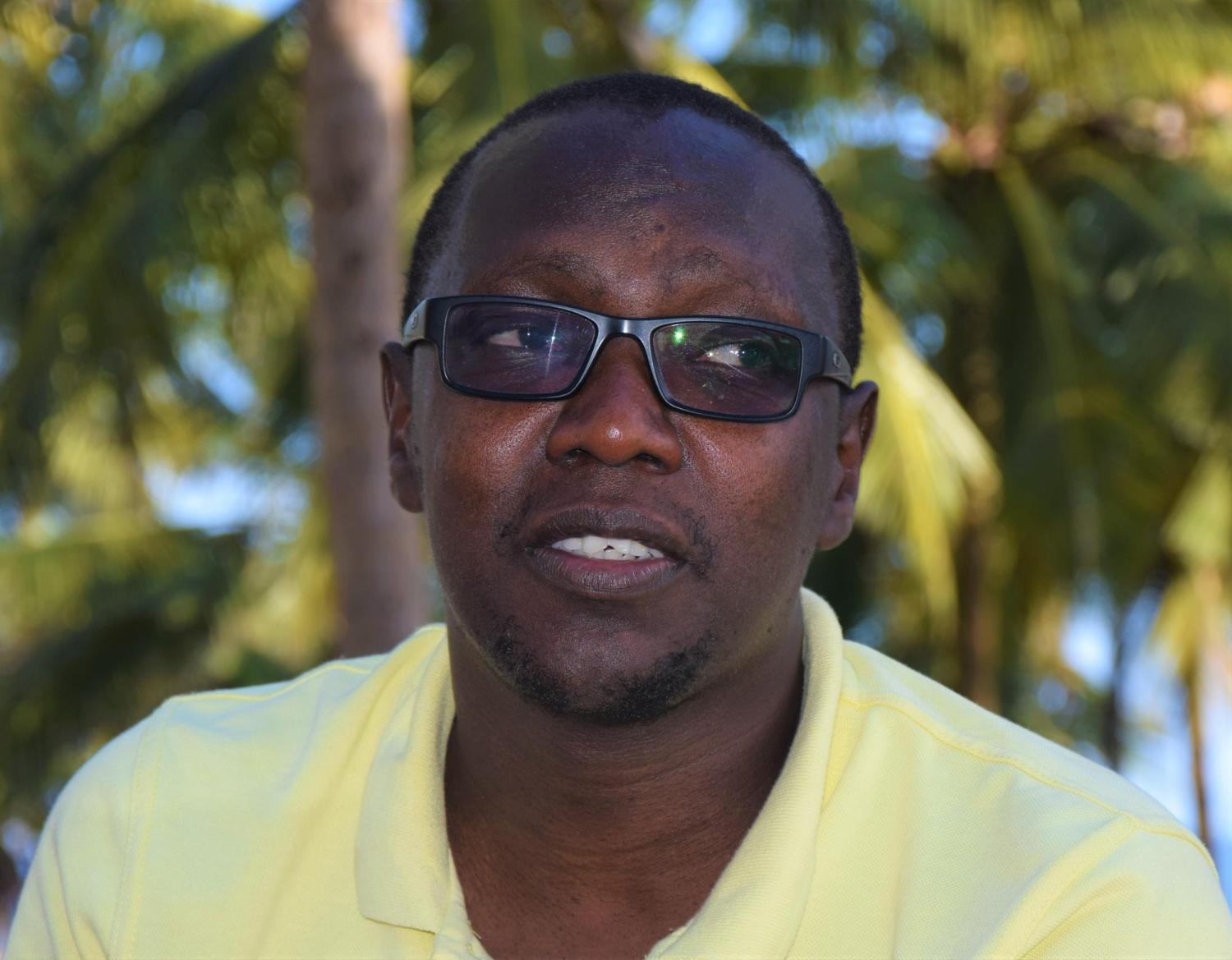
Styvers Kathuni
Affiliate. PhD Candidate, Civil Engineering.
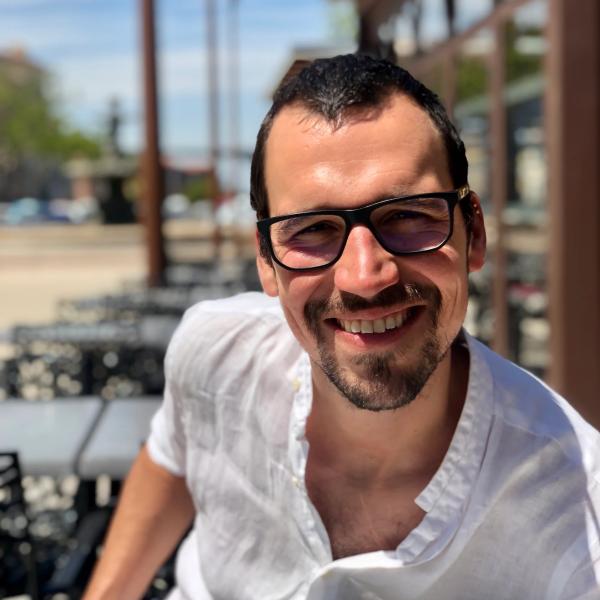
Lars Schobitz
Faculty Fellow. Data Science Instructor.
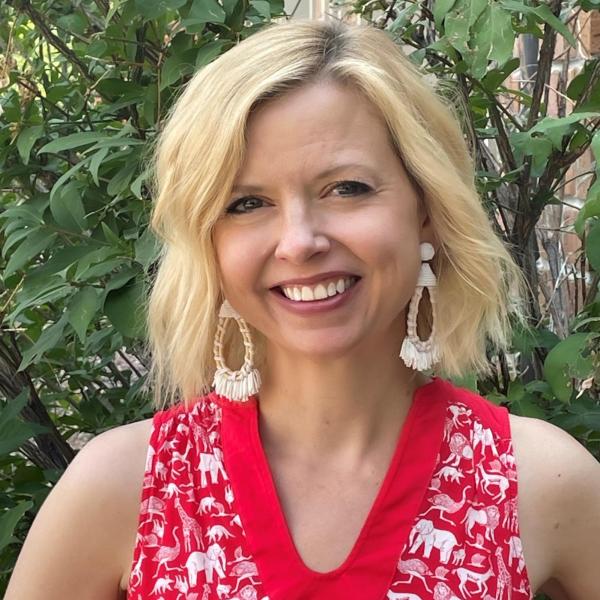
Sarah Goodroad
Program Coordinator.

Nancy Wright, MS
Financial Manager.
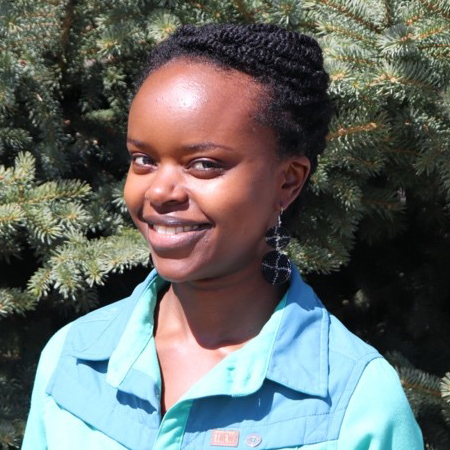
Chantal Iribagiza, PhD
Research Associate. WASH & clean energy, East Africa.
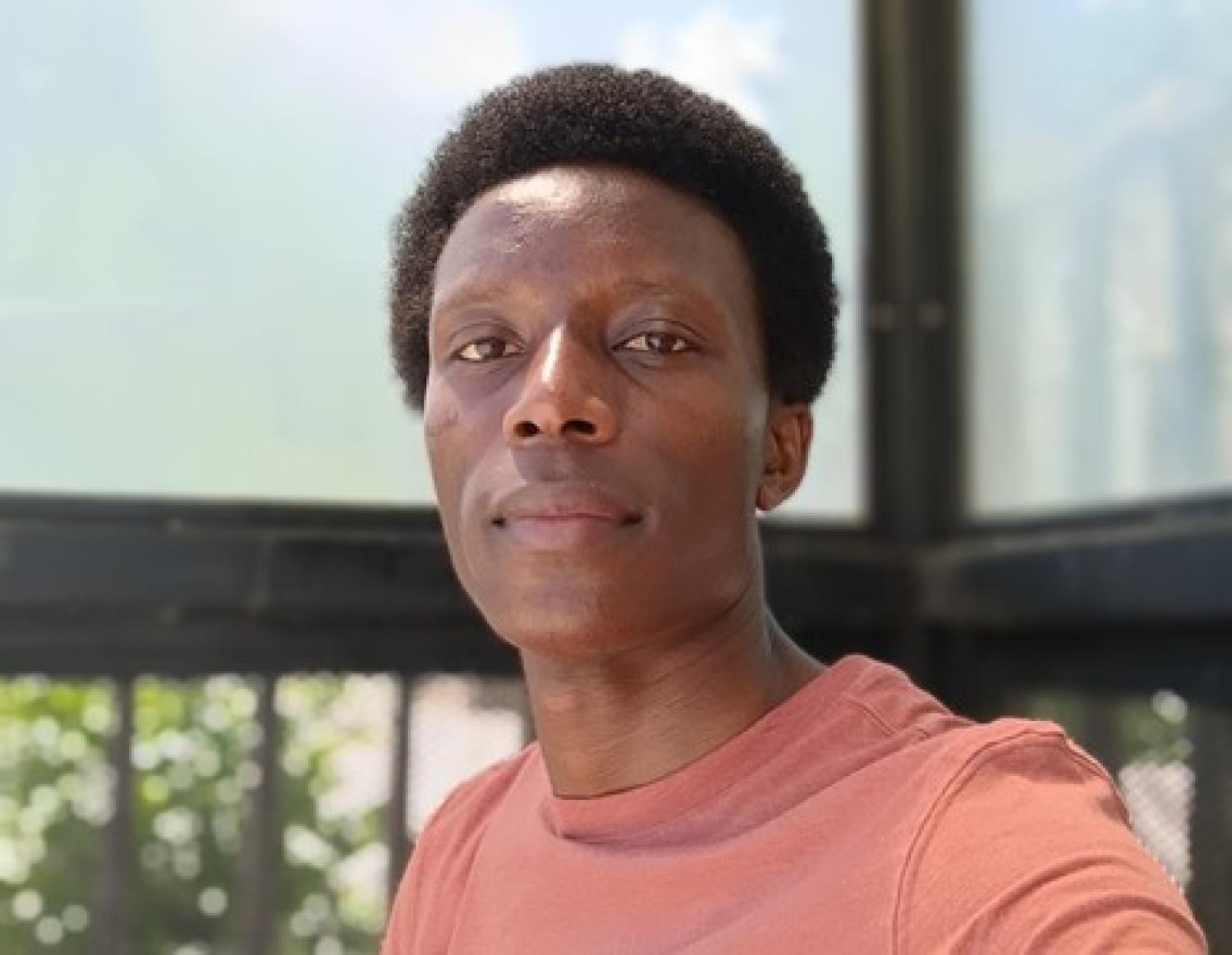
Arnold Bugingo
Professional Master’s Student. Bridges to Prosperity.

Whitney Knopp, MS, EI
PhD Candidate. Water security, Horn of Africa.
Our Advisory Board
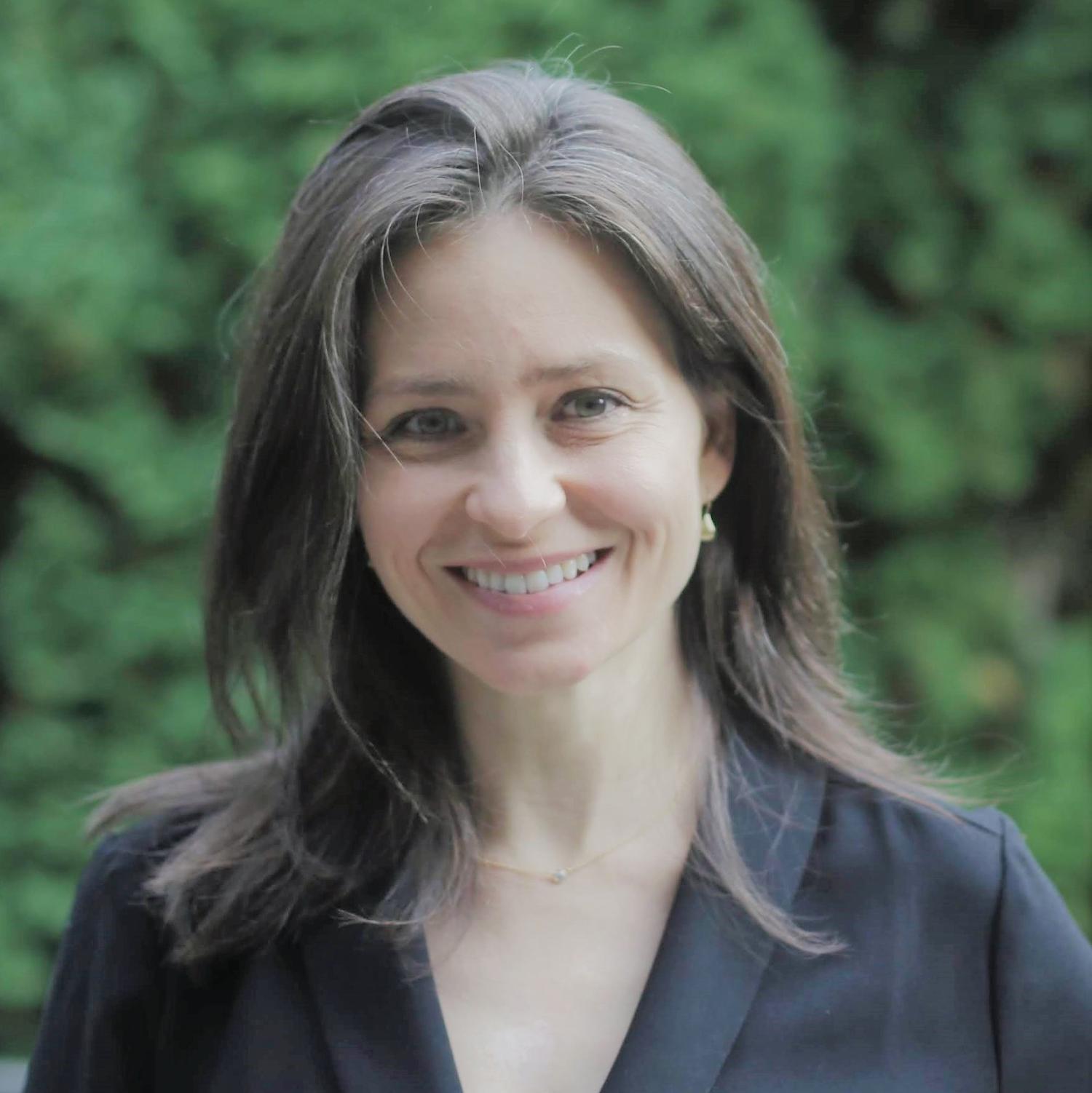
Jenny Frankel-Reed
Bill & Melinda Gates Foundation
Senior program leader in global development, health, and equity.
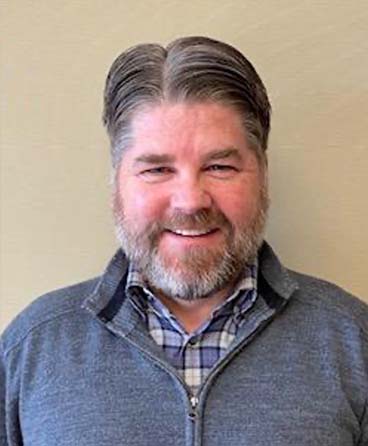
Mark Mortenson
Mortenson Family
Represents the Mortenson family’s commitment to engineering education.
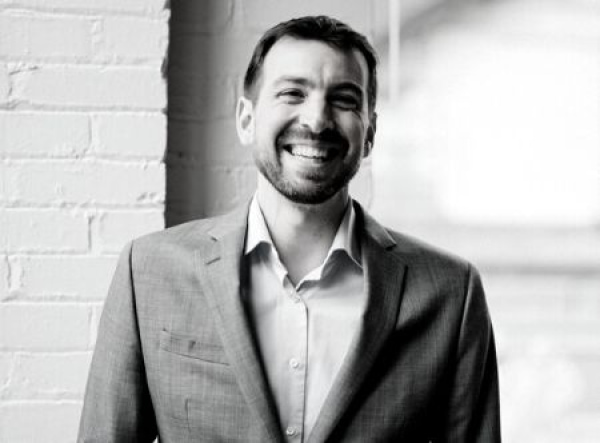
Boris Martin
CEO, Engineers Without Borders-USA
Community-driven infrastructure in low-income settings.
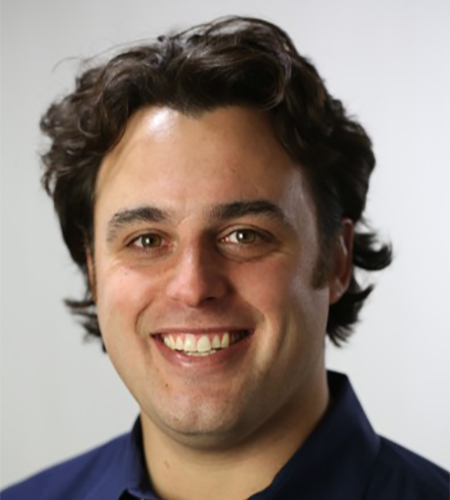
Amos Winter, PhD
MIT
Professor of Mechanical Engineering; Global Engineering and Research Lab.

Iana Aranda
President, Engineering for Change / ASME
Human-centered engineering for global development.
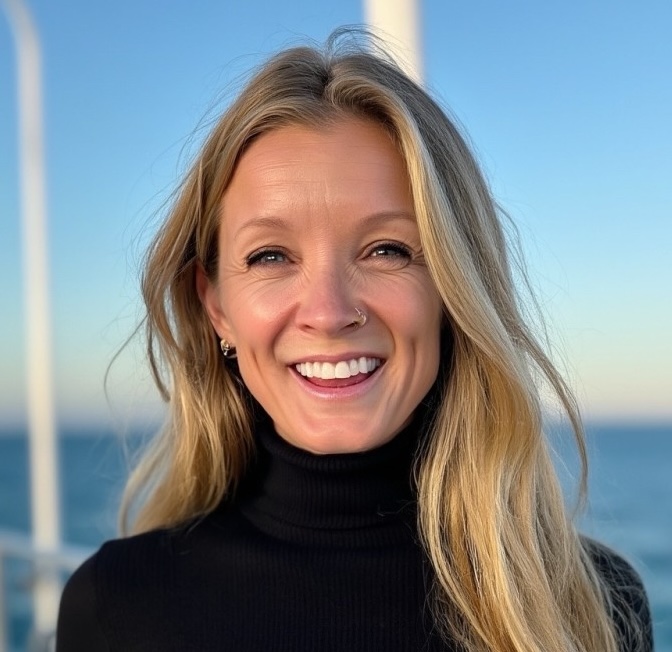
Avery Bang
Managing Director, Mulago Foundation
High-impact social ventures. Former CEO of Bridges to Prosperity.
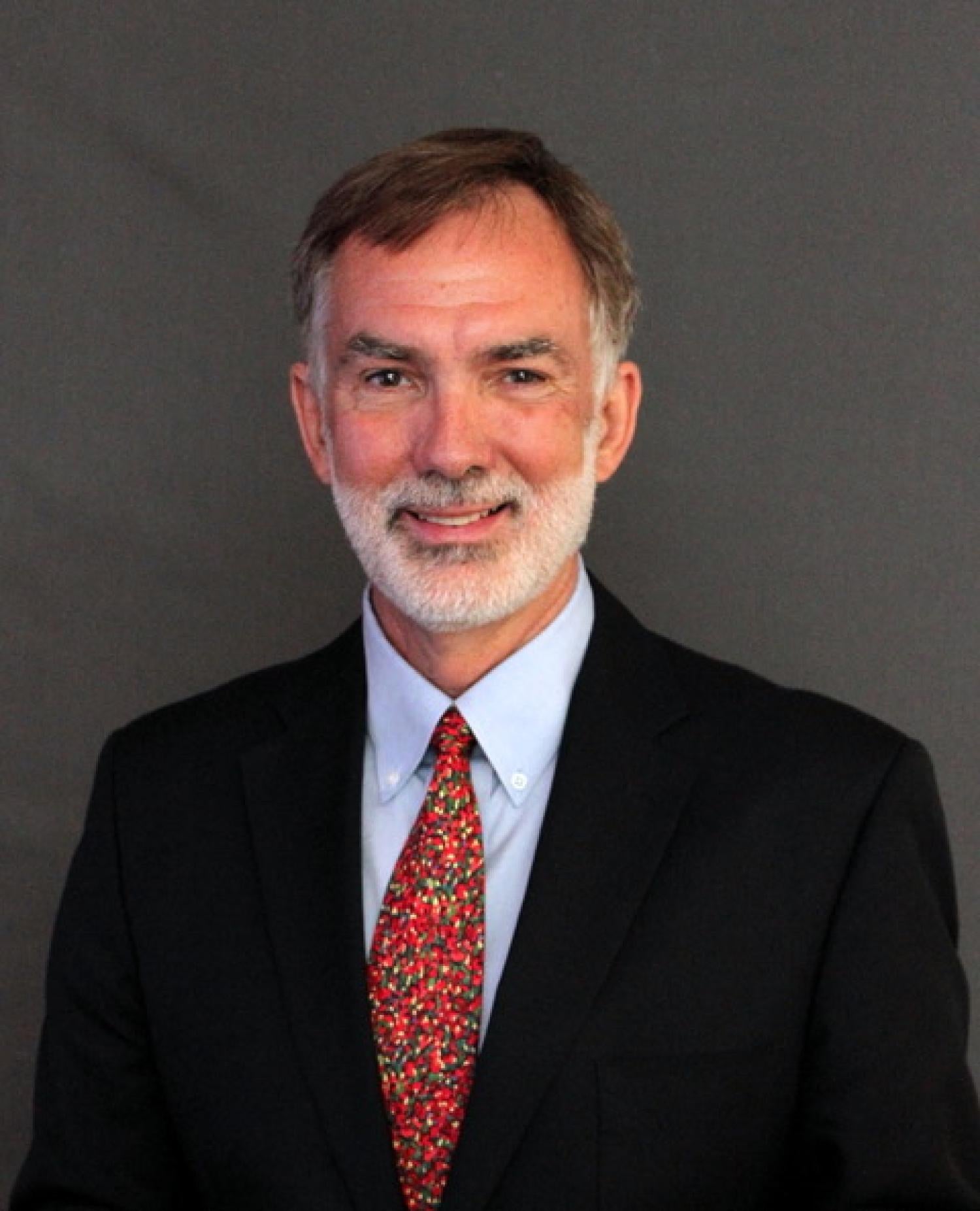
Tom Clasen, PhD
Emory University
Gangarosa Professor. WASH and household air pollution. WHO advisor.
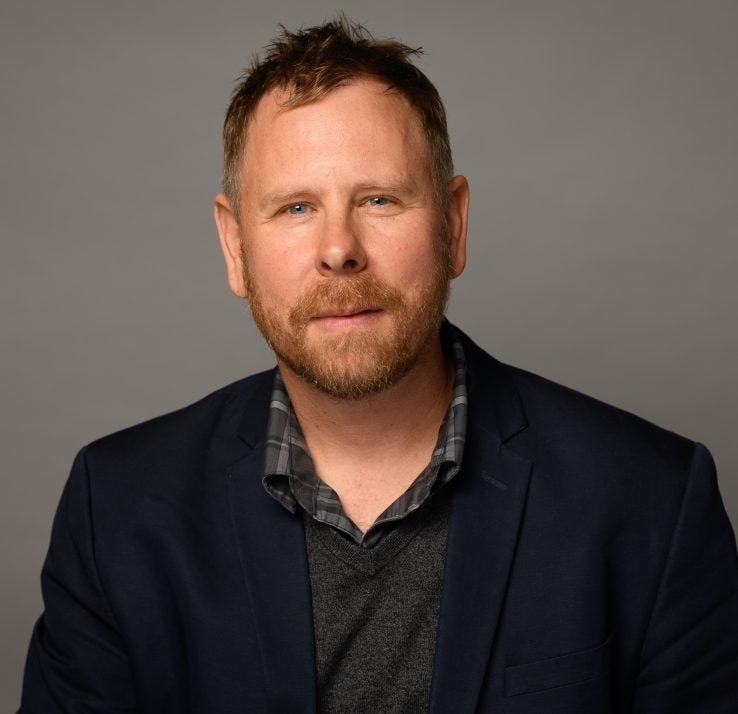
Joe Brown, PhD, PE
UNC Chapel Hill
Professor, Environmental Sciences & Engineering. UNC Water Institute.

John Simon (visiting)
Total Impact Capital
Former U.S. Ambassador to the African Union; EVP, OPIC.

Education Programs
Global Engineering RAP
~50 on-campus first-year & returning members + ~50 off-campus each year. Since 2013.
Undergraduate Minors
Global Engineering Minor (~40/year). Plus campus-wide Sustainability Minor with the Center providing the core course.
Online & On-Campus Graduate Certificate
12-credit online or in-person. Students from Rwanda, Kenya, Ghana, Ethiopia, Turkey, Armenia. 9 credits transfer into MS.
Professional MS: Resilience & Sustainability
Climate, geospatial analytics, hazard-resilient infrastructure. With Env. Studies & Leeds School of Business.
Professional MS: Environmental Engineering
Water chemistry, microbiology, WASH, household energy. Alumni across State Dept., USAID, Water for People, B2P.
Scholarships & Support
10–15 graduate and 10–15 undergrad students supported yearly through apprenticeships, scholarships, and fellowships.
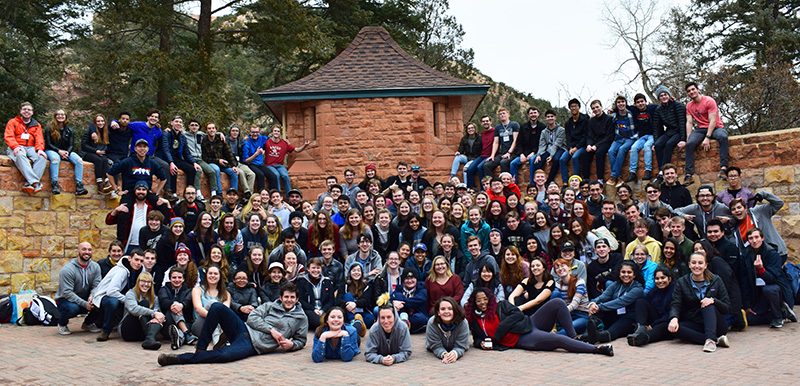
The Mortenson Center program has been the highlight of my academic experience. The community is very supportive, the classes prepared me for a career in global development, and the practicum is a unique opportunity.— J. Darby '24
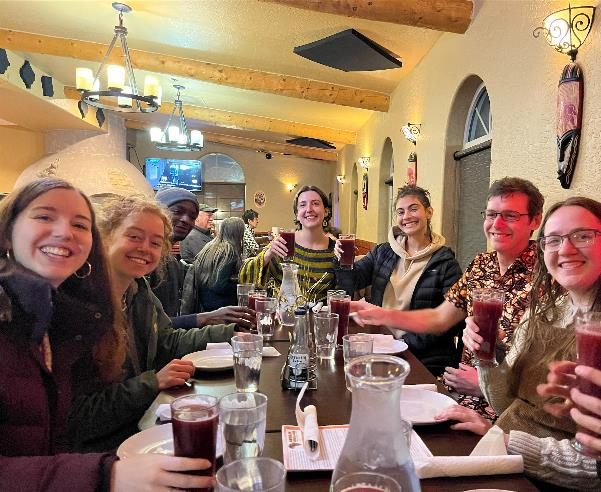
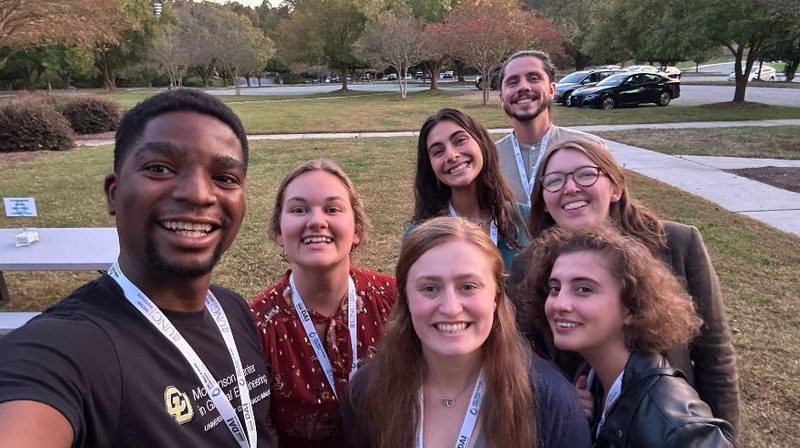
Our Courses
Semester Courses
- CVEN 5919 — Global Development for Engineers
- CVEN 5939 — Global Engineering & Hazard Resilience Practicum
- CVEN 5969 — Water, Sanitation and Hygiene
- CVEN 5909 — Hazards, Resilience & Sustainability
- MCEN 5299 — Household Energy Systems in the Global South
Undergraduate
- GEEN 1400 — First Year Engineering Projects
- EVEN 2909 — Introduction to Global Sustainability
- CVEN 4969 — Water Security, Sanitation & Hygiene
Example Electives
Environmental Impact Assessment • Analytical Methods & Data Analysis • Design Research Theory • AI for Good • International & Comparative Education
Global Engineering Modules
Humanitarian Aid
Intro to Humanitarian Aid • Disaster Risk Reduction • Refugees & Displacement
Principles
Global Health Series • Environmental & Development Economics
Project Management
Program & Project Management • Solution Identification & Proposal Development
Methods
Community Appraisal • Study Design & Impact Evaluation • Data Analytics for Development
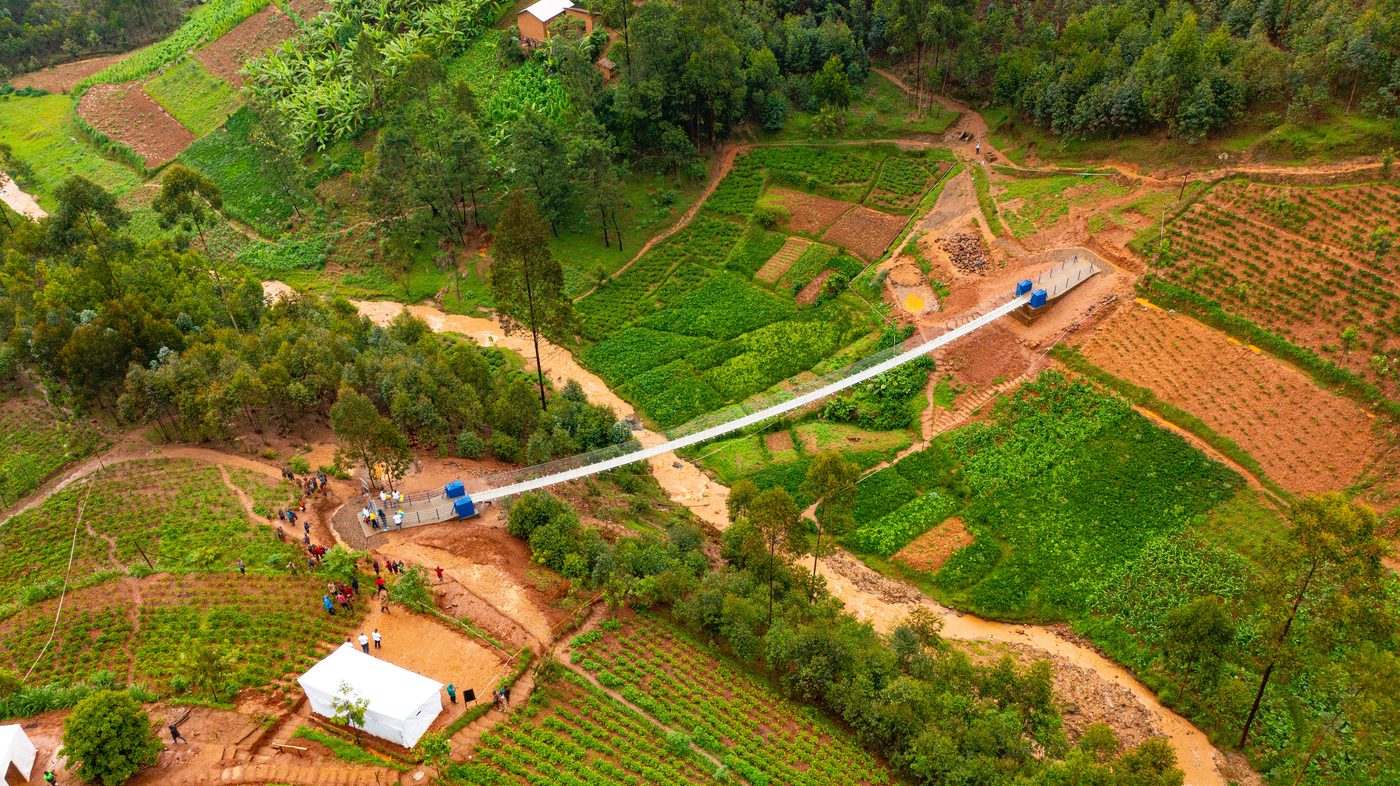
Students in the Field
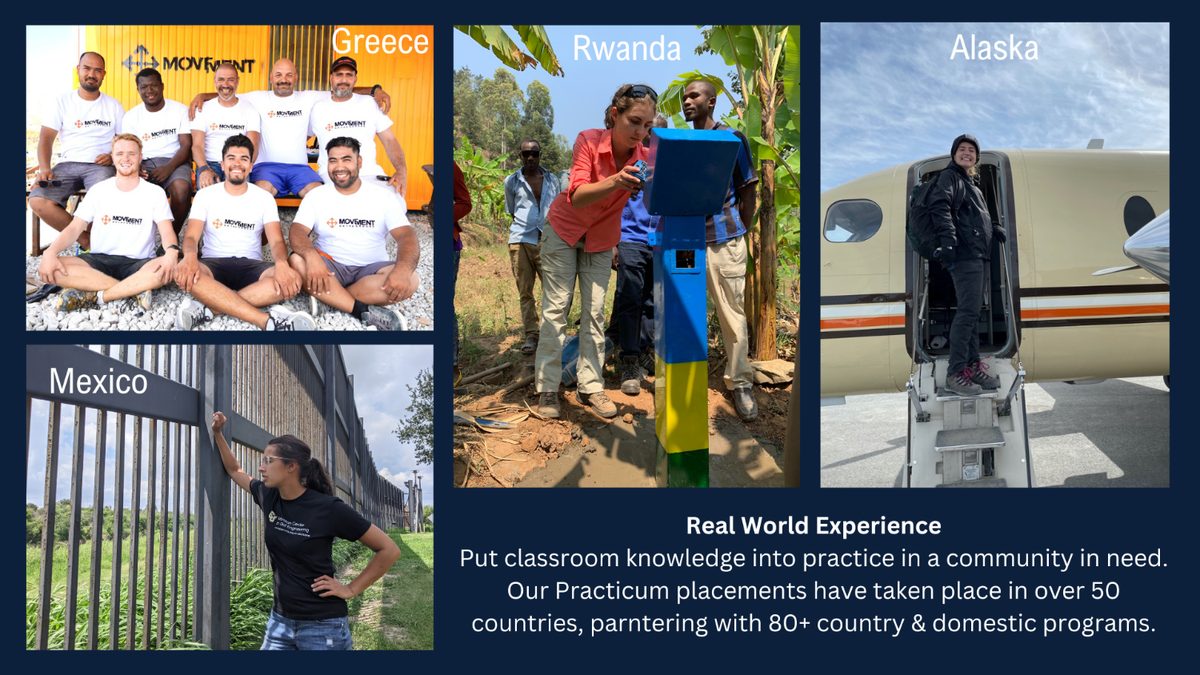
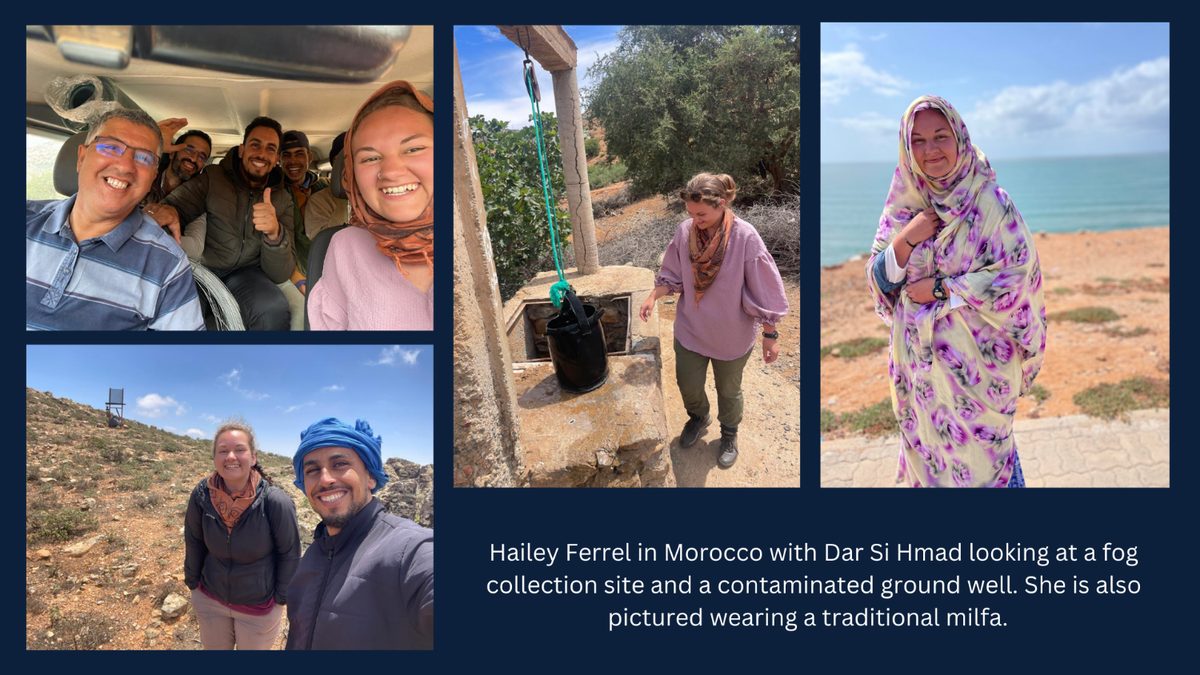
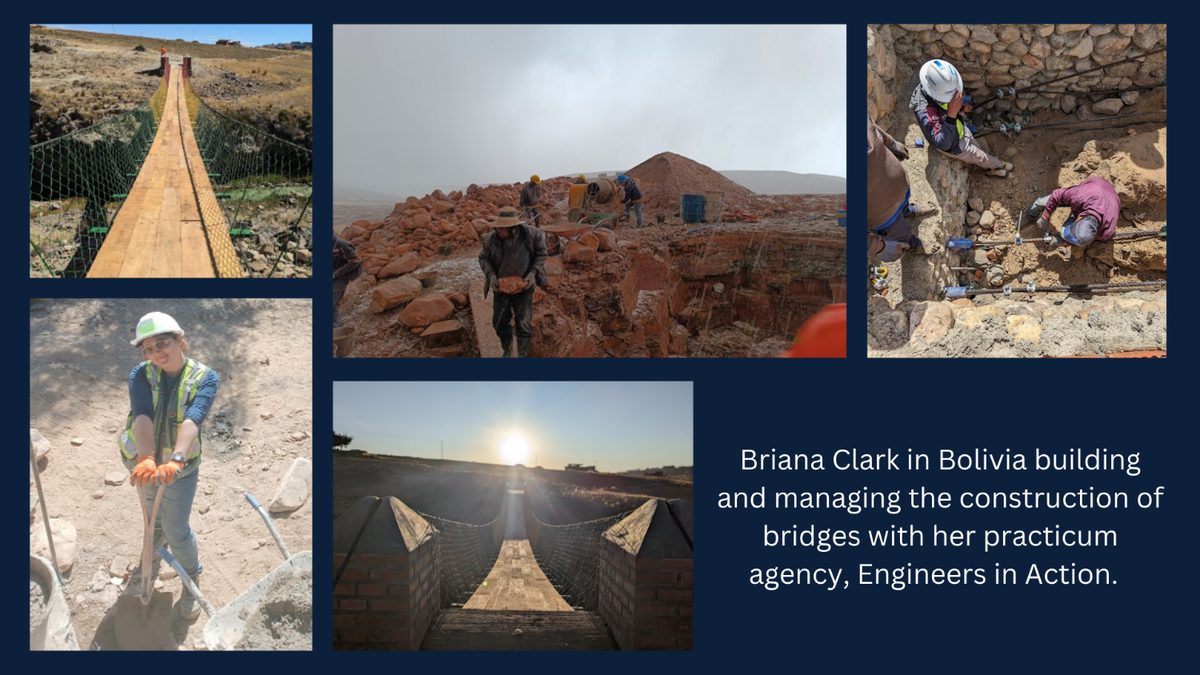
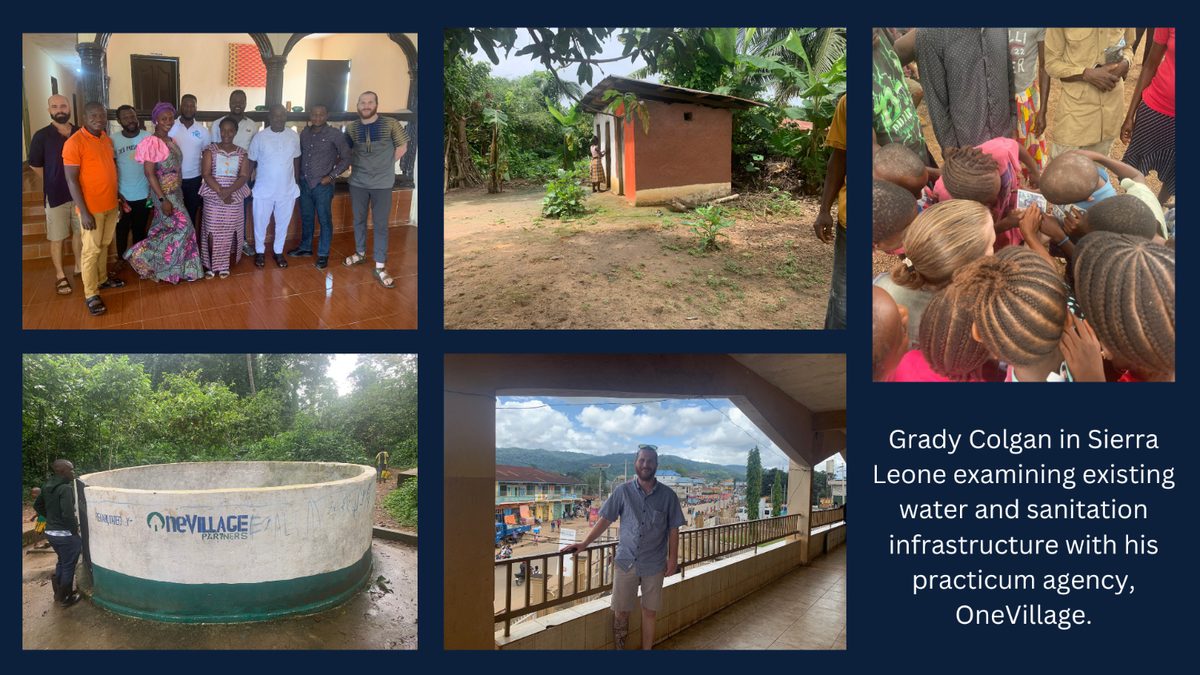
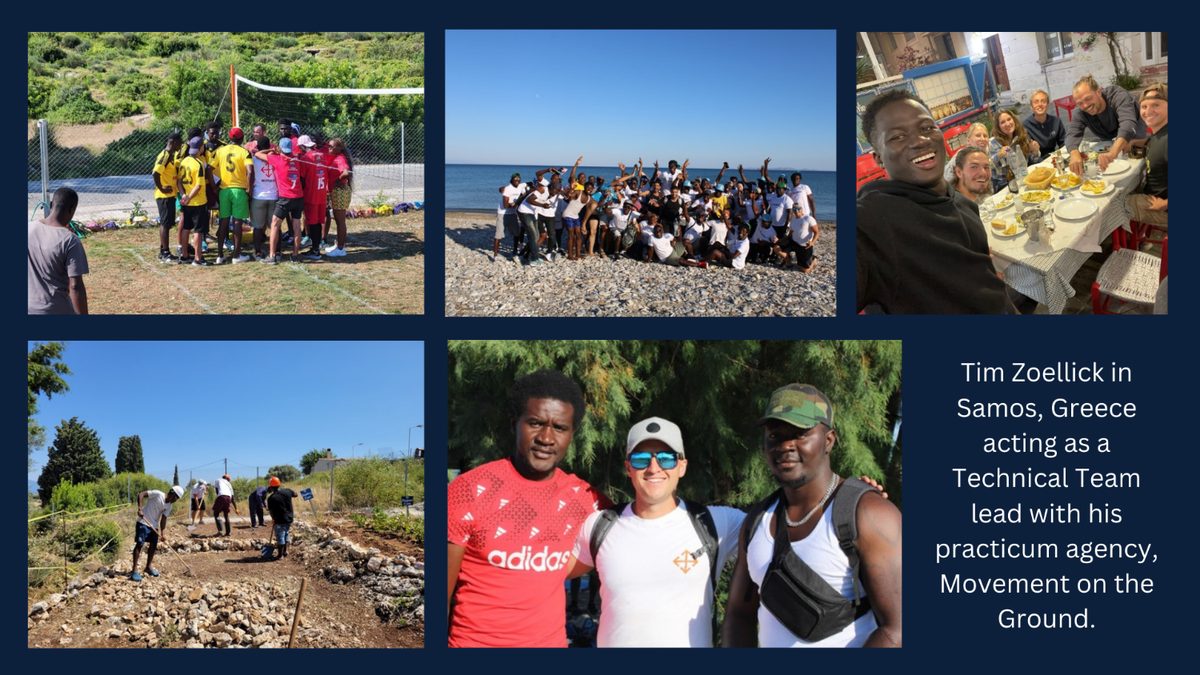
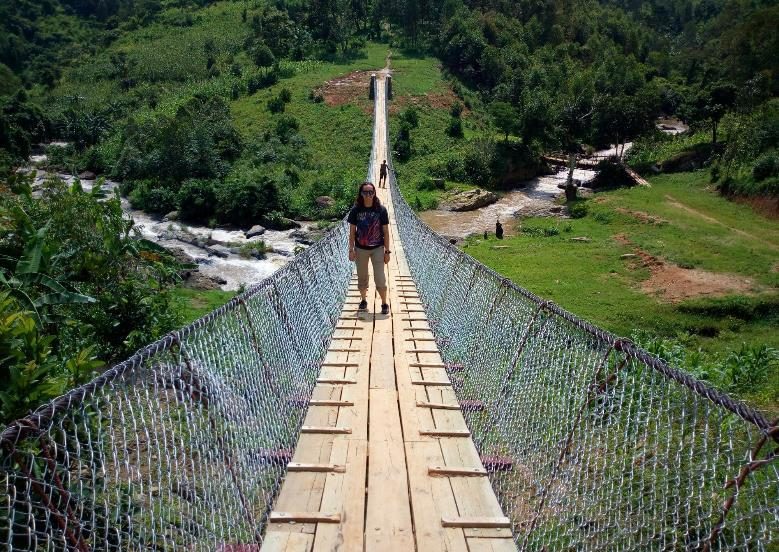
Transformative Student Journeys

Manjeet Pandey
Nepal. First Online Certificate cohort on Mortenson scholarship. MS in Civil Eng. 2024. ASCE Top 10 New Faces of Civil Engineering. Now PM at Mortenson Construction, Denver.
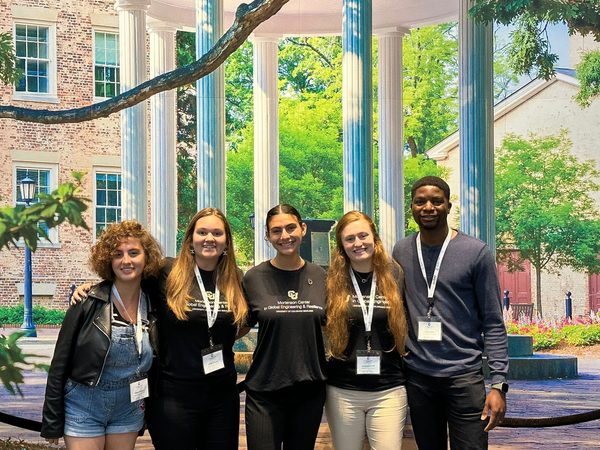
Fatma Köroğlu
Turkey. Full tuition scholarship. Professional MS 2024. Continuing work on the USAID-funded Mortenson Center Armenia Project.
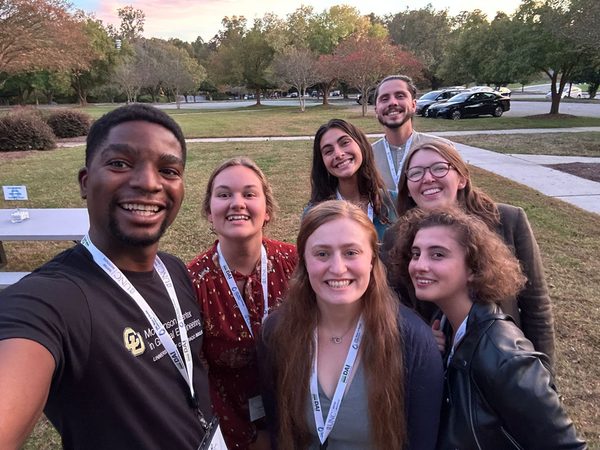
John Edem Ecklu
Ghana. Professional MS → PhD student. Climate financing for water insecurity. 4 years WASH experience at TREND Group.
What I treasure most about the Mortenson Center is the community—both faculty and students foster an environment ripe for meaningful discussions on pressing global issues.— Diego Valdivieso
Food, Water & Infrastructure
2.3 billion people face food insecurity (FAO SOFI 2025). 2.1 billion lack safely managed drinking water (WHO/UNICEF JMP 2025). Our research spans these interconnected challenges across 30+ countries.
Food Security
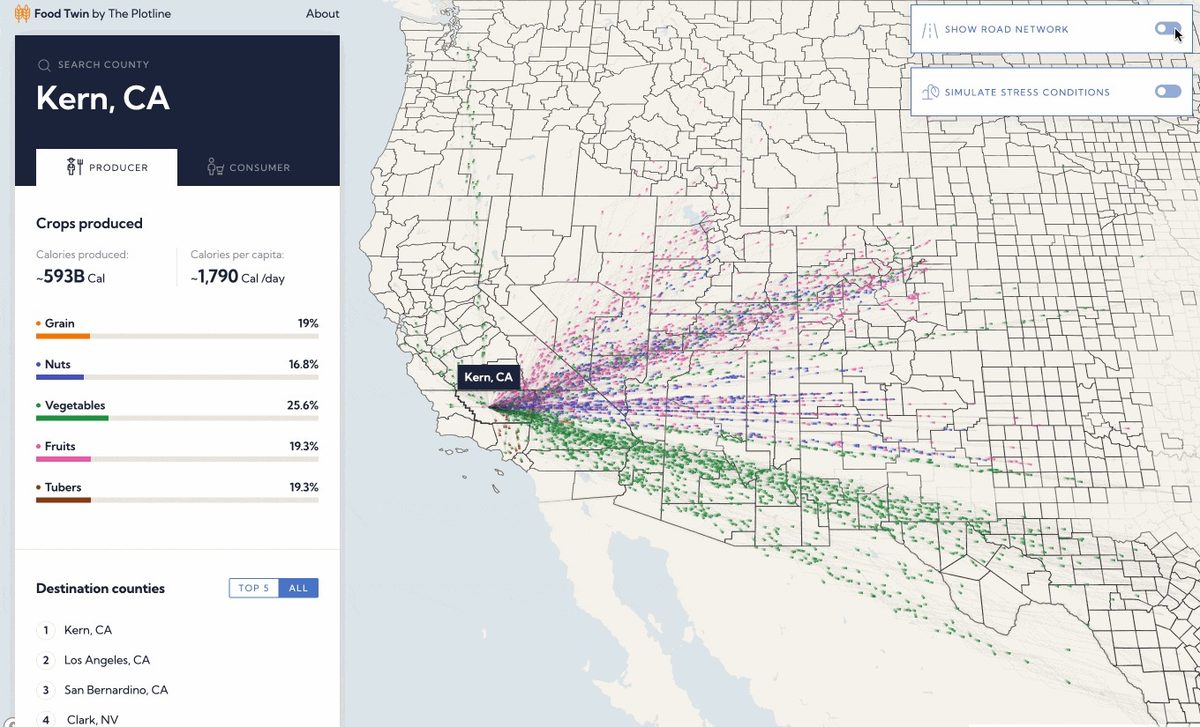
Food Security Modeling
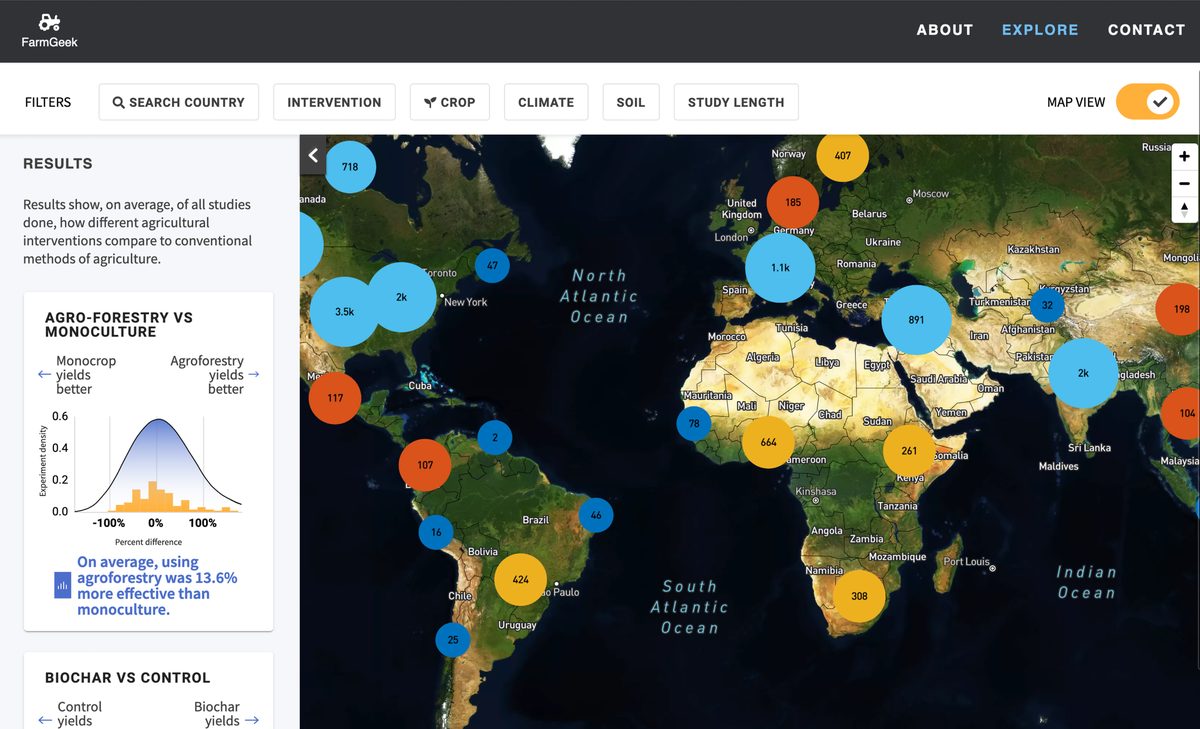
Data science mapping food production, transport, and consumption networks. FarmGeek platform analyzing agricultural interventions worldwide.
Ceres2030
Evidence-based analysis determining the cost and strategies needed to end hunger by 2030. World Bank World Development Report contributor.
Climate Adaptation Atlas
Mapping climate adaptation for agriculture across E. & S. Africa. Dangerous heat, drought/flood extremes. NASA, USGS, NSF funded.
Water
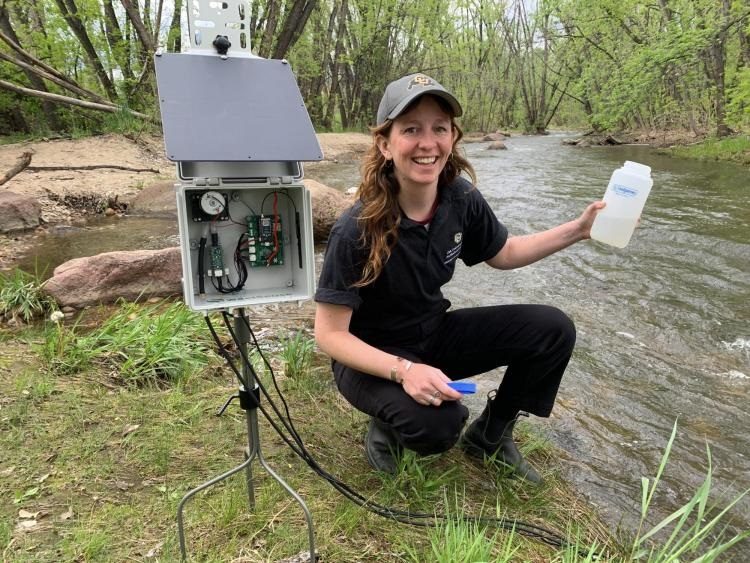
Water Security Monitoring
Tryptophan-like fluorescence and ML to detect E. coli in real time. Deployed in 10+ countries.
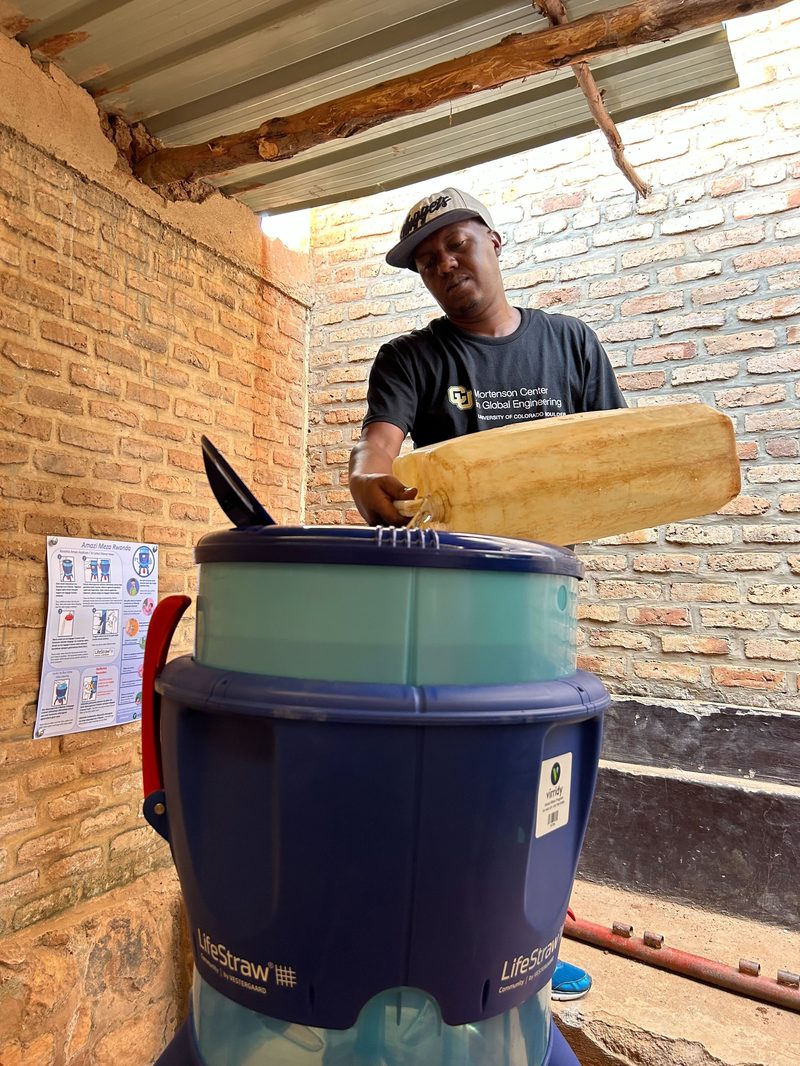
Water Quality & Climate Finance
Performance-based financing and carbon credit revenue. 10M people drinking clean water, 45M carbon credits issued.
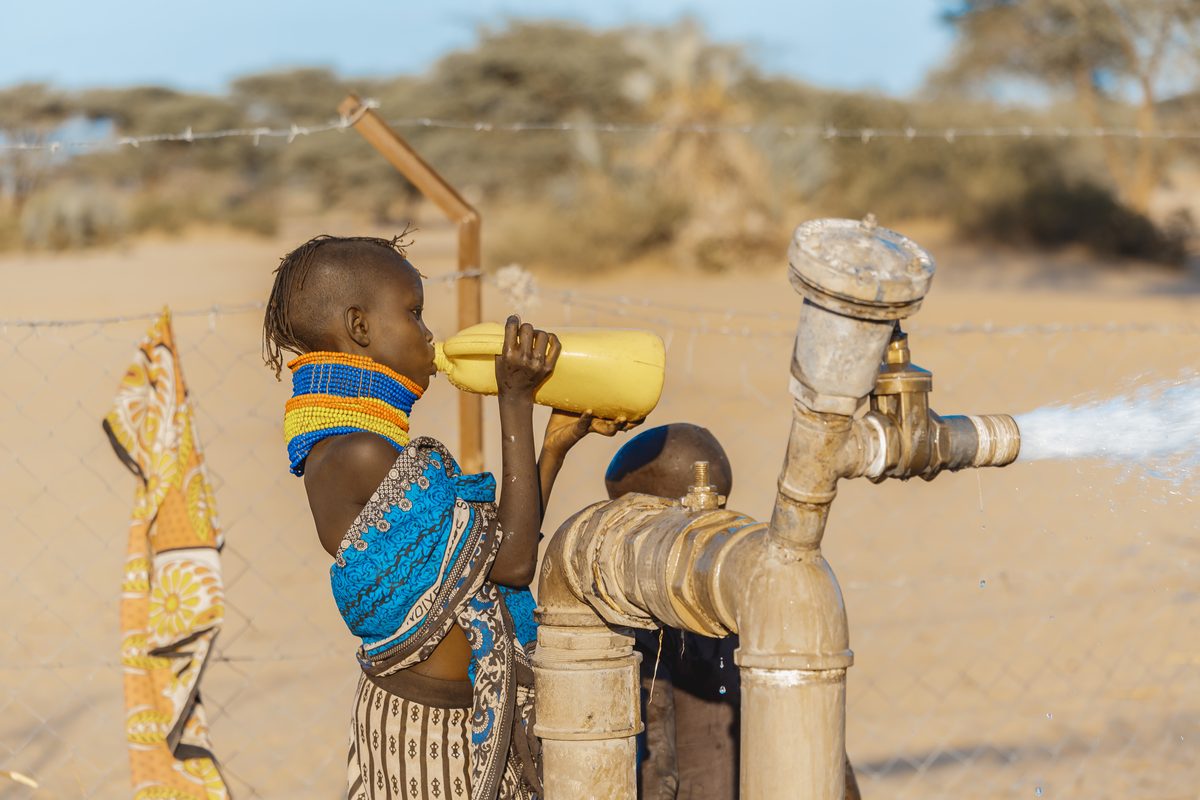
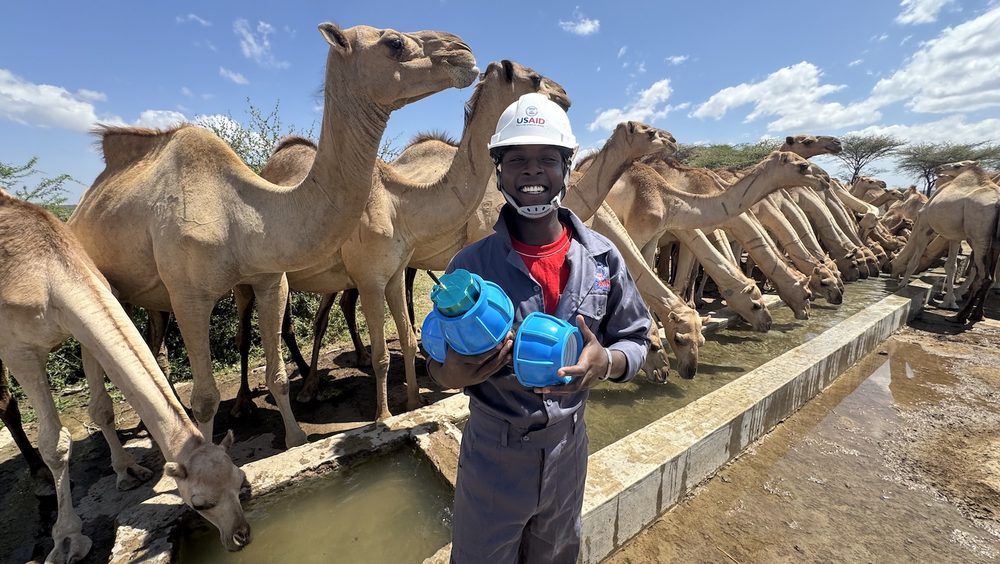
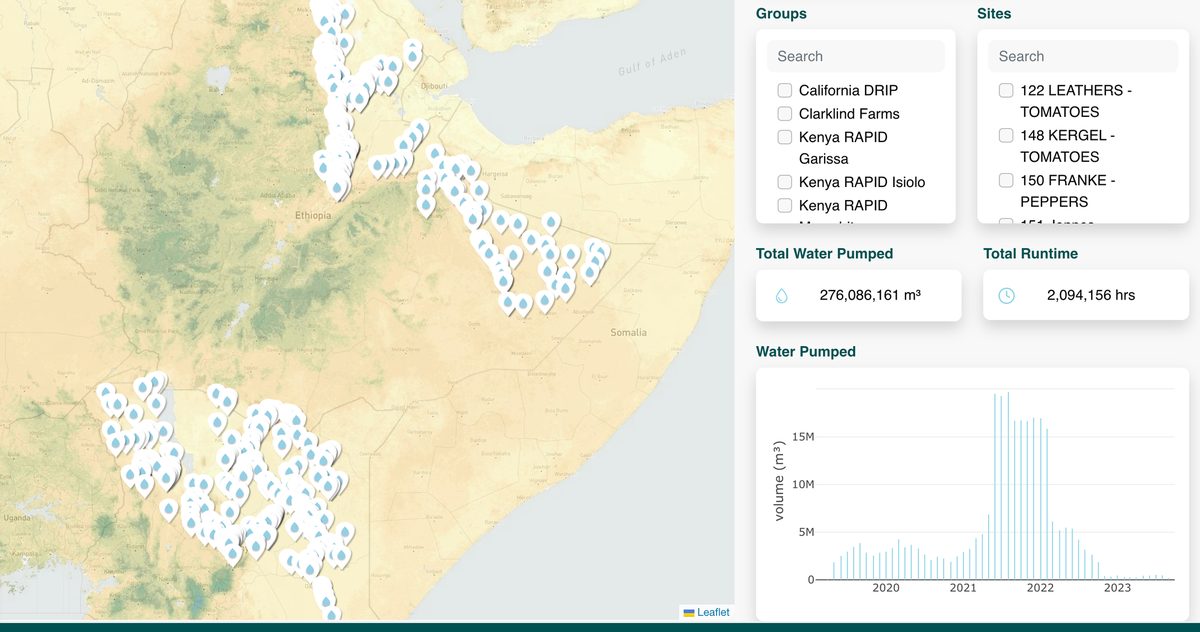
DRIP — Drought Resilience
Satellite-connected borehole monitoring. 276M m³ water pumped, 2M+ runtime hours across Kenya.
Infrastructure
Impact Evaluation
Trail bridge impact in Rwanda—health, wealth, and education via remote sensing and geospatial analytics.
Hazard-Resilient Infrastructure
Design and assessment for climate resilience, natural hazards, and sustainability in the built environment.
Geospatial Analytics & ML
ML tools for resource identification and management. Workforce maps, development planning, remote sensing.
Enrollment, Outcomes & Shifting Landscape
300+ graduate-level alumni since 2006. 500+ undergraduate alumni since 2013.
Alumni by Program (2020–2025)
Alumni Jobs (2020–2025)
Marketing Strategy
Undergraduate Recruitment
Job Fairs • GEEN 1400 & class presentations • Tabling at special events • Engineering Launch
Graduate Recruitment
Visit Day & Admitted Student Sessions (ME, Biomed, EVEN, CEAE, EnEd) • EWB National & Regional • EIA Matchmaker
Speaking Engagements
UNC Water & Health • EWB SLO & National • IEEE Humanitarian • UC Berkeley • Cornell • CO WASH Symposium • Stockholm World Water Week
Digital & Advertising
Everspring AIO visibility • Joint website redesign (CEAE/EVEN) • $12K ads: Meta, LinkedIn, Instagram, Google, Reddit • LinkedIn growth • Newsletters
Partnerships & Sponsorships
EWB conference sponsorship ($15K ’25/’26) • $10K EWB-CU matching support • Bridge Buffs Ambassador program • Buffs All In Campaign
Systems & Outreach
University RFIs — adding Global Engineering to CEAE/EVEN forms • Swag creation for tabling events
Shifting Landscape
USAID Closure (2025)
83% of USAID programs cut; agency officially closed July 2025. The U.S. funded ~47% of global humanitarian appeals. The Lancet projects 9.4M additional deaths by 2030.
Post-COVID Remote Work Shift
Remote job postings quadrupled (2.5% to 11%). Organizations hire locally rather than relocating international staff.
Broader U.S. Retrenchment
Withdrawal from the WHO and reduced engagement with the UN have contracted the institutional pipeline for international development careers.
Cascading Donor Cuts
Germany, France, Canada, and the UK have compounded cuts. OECD projects a 17% fall in total global aid from 2024.
Decolonization & Localization
Shift toward locally-led development prioritizes local hires over international staff. Essential for equity but reduces traditional expatriate roles.
Emerging Opportunities
Growing demand in climate tech, resilience engineering, carbon markets, and domestic infrastructure offers new pathways.
Impact on Recruitment
These forces reduce career visibility and perceived ROI for prospective graduate students—even as the need for skilled engineers in water, climate, and infrastructure has never been greater. The Center must articulate new value propositions.
Discussion & Board Advice
The core tension: Our distinction has long been an explicit focus on global poverty reduction through engineering, while our students—rightly—expect a degree that leads to viable careers. Pathways that once aligned these two goals are now less reliable.
We seek your input on how the Mortenson Center should adapt to remain distinctive, credible, and attractive to tuition-paying students, while staying true to our mission.
Differentiation & Positioning
Where is the Center’s differentiation strongest? How do we articulate value when traditional career pathways have contracted?
Enrollment & Placement Risks
Where do we face the greatest risks? Are there areas where the gap between student expectations and career reality has grown too wide?
New Directions for Durable Value
What new directions—climate tech, resilience engineering, carbon markets, domestic infrastructure—could create durable value?
Mission & Market Alignment
How do we maintain our commitment to global poverty reduction while ensuring graduates can build viable careers?
Key Themes — March 11, 2026
Two Strategic Paths (Boris Martin)
1) Stay in institutional development, serving emerging-market professionals in their own contexts. 2) Redefine humanitarian engineering as a cross-cutting set of values applicable across sectors.
Sustainability Transformation (Iana Aranda)
The massive sustainability transformation requires “more equipped engineers everywhere, in every sector.” Private sector companies are executing development-adjacent work. Carbon markets are a strong fit.
Core Skills Are Transferable (Amos Winter)
MIT students go into well-paying jobs in fields different from their grad research. The value: learning to scout good problems, build models using physics and economics, and test prototypes in context.
Keep a Core Skill (Jenny Frankel-Reed)
“If you’re a generalist, you’re not particularly useful.” The market hasn’t disappeared but fragmented. Survey employers, ask what they value, and align the curriculum.
Snapback Will Come (John Simon)
“The fundamental model is quite powerful. I can’t name another program doing this at all.” Unspent Congressional funds ($50B) will force the State Dept. to seek development professionals again.
The Need Is Greater Than Ever (Mark Mortenson)
Displacement from 35M to 200M, climate change accelerating. “This is where you can learn to do a lot of good in this world.” People in investment want to do good but don’t know how.
Six Actions to Secure the Center’s Future
Derived from the March 11, 2026 Advisory Board meeting and supported by independent research. Each action item is backed by data, benchmarked against peer institutions, and designed to be executed within 12–24 months.
Update Employer Intelligence & Alumni Outcomes
Burleson et al. (2023) already surveyed 55 industry/academic stakeholders on ESD competencies via the ASME EGD Summit, identifying 7 critical mindset shifts employers want. The job market has since fractured due to USAID closure—a targeted follow-up is needed, not a full repeat.
- USAID Contractor Collapse: DAI laid off 70% of staff. RTI International cut 35%. Tetra Tech lost $576M in USAID revenue. Chemonics has cut thousands of positions globally.
- Domestic WASH Is Growing: $625B in U.S. water infrastructure needs over 20 years (EPA). One-third of the water utility workforce is retiring within a decade. BLS projects 7% growth for environmental engineers through 2033.
- Private Sector Hiring: Tetra Tech has 2,325 open positions despite USAID losses—pivoting to domestic resilience, climate adaptation, and DOD contracts. AECOM, Jacobs, and Arcadis are all expanding sustainability practices.
- Actions: Send a focused 10-question follow-up survey to 25 employers building on Burleson et al. findings. Key questions: (1) how has USAID closure changed your hiring? (2) demand for carbon/climate finance skills? (3) domestic vs. international engineering balance? (4) AI tool competencies? Also: alumni outcome survey on career path, salary, and skills gaps.
Online Program Revenue Model
Currently free for LMIC students (mission-aligned but not revenue-generating). The online graduate market is $74B and growing 12%+ annually. Proven models exist at every scale.
- Georgia Tech OMSCS: 16,609 enrolled, $7K total tuition, ~$58M/yr revenue, 13,000+ graduates since 2014.
- Illinois iMBA: 4,898 students, $27K total, ~$50M+/yr gross revenue. Largest online MBA globally.
- Simmons: ~1,700 undergrads grew online revenue from $4M to $80M in 4 years via 2U partnership.
- Mortenson Opportunity: $20–35K sweet spot for online engineering/sustainability MS. 200-student cohort at $25K = $5M/yr gross.
Government-Sponsored Pipelines
Many governments fund employees’ graduate education abroad. Partnering with these programs creates predictable, funded enrollment cohorts aligned with development missions.
- IHE Delft Model: 23,000+ alumni from 190 countries. Primarily government-sponsored mid-career water professionals. The closest analog to what Mortenson could build.
- DAAD (Germany): Funds 67,531 international students/yr with €659M budget. Programs must apply for “Approved Program” status.
- World Bank JJ/WBGSP: 44 participating master’s programs. Covers tuition, living, travel. CU is not currently a partner—application would create a direct pipeline.
- Country-Specific: Kenya, Ethiopia, Rwanda actively fund engineers for overseas study. Target 5–10 partnerships in 2 years.
Cross-Department Expansion
AI disruption is redirecting students from Computer Science to Mechanical Engineering and other applied fields. Cross-listing creates enrollment growth without new program approval.
- CS Enrollment Declining: 62% of CS departments report declining interest since 2022. National enrollment down 6%. Students citing AI automation concerns are pivoting to hardware and physical-systems engineering.
- ME Surging: Job demand projected to grow 9% (BLS). Clean energy transition, EV manufacturing, and infrastructure spending driving demand.
- Proven Models: MIT D-Lab serves 300 students/yr through cross-listed courses across ME, CEE, and Urban Planning. ABET allows cross-listed courses for accreditation.
- Path Forward: Cross-list 3–5 courses with ME, CEE, and Environmental Engineering. Create a “Global Engineering” certificate. Target: 50+ new enrollments in Year 1.
New Market Geographies
Countries investing heavily in their own development programs represent untapped recruitment markets. These nations are bypassing traditional UN channels and need trained professionals.
- UAE & Gulf States: UAE commits $2.2B/yr in ODA ($98B cumulative). Abu Dhabi hosts IRENA HQ. Governments fund graduate study for nationals.
- India: 363,000 Indian students in the U.S. (largest source country). India leads Global South development cooperation with $35B+ in concessional lending.
- Africa Partnership Models: Carnegie Mellon Rwanda received a $275.7M foundational investment to serve 6,300 students—a historical model demonstrating philanthropic scale. Mortenson can partner with African universities rather than compete.
- China — Cautionary Note: Georgia Tech Shenzhen closed due to Entity List restrictions. Student flow declining. Focus recruitment on individual students, not institutional ties.
Engage the Board Actively
First Advisory Board meeting since March 2020. The board’s networks, expertise, and institutional memory are underutilized assets.
- Quarterly Check-ins: Move from ad hoc to quarterly cadence. 30-minute virtual updates with a focused question.
- Working Groups: Assign 2–3 board members to each action item. Frankel-Reed on employer surveys; Martin on geographies; Winter on cross-department models; Aranda on online programs.
- Leverage Networks: Board members have direct connections to USAID, World Bank, Tetra Tech, MIT, and the Mortenson Family Foundation. Each member commits to 2–3 introductions per quarter.
- Progress Dashboard: Share a live dashboard tracking all 6 action items with real-time metrics.
School of Sustainability Engineering
CU Boulder’s College of Engineering and Applied Science is exploring the long-term possibility of a School of Sustainability Engineering. Co-chaired by Evan Thomas, Mike Hannigan, and Shideh Dashti, the taskforce report positions the Mortenson Center as a foundational asset of any future school—and a potential catalyst for its success. This remains a long-term institutional aspiration rather than a near-term operational priority.
Why This Matters for the Mortenson Center
If realized, a School of Sustainability Engineering would intersect with four of the Center’s six strategic action items. The Mortenson Center’s near-term strategic actions are designed to stand on their own merits and generate value regardless of this longer-term institutional direction.
Mortenson Center Is a Named Asset
The taskforce report explicitly lists the Mortenson Center in Global Engineering & Resilience as a foundational asset of the proposed school, alongside CEAE, EVEN, and ME. The Center’s Professional MS in Global Resilience & Sustainability Engineering is already operational and would be a cornerstone program.
Accelerates Cross-Department Expansion (Action 4)
The school structure formalizes what the Center is already pursuing: cross-listing courses across ME, CEE, and Environmental Engineering. Under a school umbrella, the “Global Engineering Certificate” gains institutional backing and a larger student pool.
Strengthens Online Revenue Model (Action 2)
Listening sessions explicitly discussed leveraging online platforms like Coursera for enrollment and revenue. A school-level online program carries more institutional weight than a center-level offering, improving partnership terms with OPMs and platform providers.
Addresses Enrollment Decline Head-On
Civil Engineering enrollments are declining nationally. The taskforce noted that rebranding under “Sustainability Engineering” could revive student interest. The Mortenson Center’s global development focus adds a unique, mission-driven dimension that differentiates CU from ASU, Stanford, and other competitors.
Proposed Structure
The taskforce identified two conceptual structures. In either model, no existing degree names or programs would be discontinued, and ABET processes remain intact.
Option A: School of Sustainability Engineering
CEAE restructures as the School, with EVEN merging in. The Mortenson Center operates as a named center within the school, similar to how institutes function within Stanford’s Doerr School. This provides the strongest institutional identity and fundraising platform.
Option B: Department of Sustainability Engineering
A lighter restructuring where CEAE renames to the Department of Sustainability Engineering, with EVEN merged in. Lower administrative overhead but less branding impact. The Mortenson Center retains its current position within the department.
Critical Requirement
The taskforce was clear: a school without incorporated units, faculty, staff, and budget will fail. Both CEAE and EVEN must be core participants. Administrative leadership should endorse faculty votes in each unit to join as an early next step.
Programs Under the School
Existing and potential academic programs that would operate within the School of Sustainability Engineering, with Mortenson Center programs highlighted.
Global Resilience & Sustainability PMP
Mortenson Center — Already operational. Climate, geospatial analytics, hazard-resilient infrastructure. Core courses fulfill 6 of 30 required credits. Includes global practicum placement.
Online Graduate Certificate
Mortenson Center — 12-credit online or in-person. Students from Rwanda, Kenya, Ghana, Ethiopia, Turkey, Armenia. 9 credits transfer into MS. Revenue model under development (Action 2).
Global Engineering Minor
Mortenson Center — ~40 students/year. The Center also provides the core course for the campus-wide Sustainability Minor, connecting to a broader student population.
Sustainability Engineering Minor
Currently in approval flow. 6 credits of foundational CEAE coursework + 9 credits of electives across campus. Open to all CU undergrads with 2.0+ GPA. Natural complement to the Global Engineering Minor.
Professional MS: Environmental Engineering
Water chemistry, microbiology, WASH, household energy. Alumni across State Dept., USAID, Water for People, B2P. Would gain school-level visibility and marketing support.
Future: BS in Sustainability Engineering
Long-term priority. Could be ABET-accredited as General Engineering or offered as a second major (CMU model). Would attract students pivoting from CS and traditional CE into applied sustainability.
Peer Benchmarks
Several universities have launched sustainability-focused schools or institutes. CU Boulder’s differentiator would be the Mortenson Center’s global development mission and practicum model—none of the peers below offer this.
Stanford Doerr School of Sustainability
Launched with a $1.69B endowment ($1.1B from John and Ann Doerr). Organized around Schools, Institutes, and Centers. Degree programs from undergrad to PhD. Integrates natural sciences, social sciences, engineering, and policy. The gold standard—but resource-intensive.
ASU School of Sustainable Engineering & Built Environment
Offers BS, MS, PhD in Environmental, Civil, and Construction Engineering with online MS option. Houses 9 research centers. Closest structural analog to what CU is proposing. ASU Online has 81,541 students—proof that the sustainability brand drives enrollment.
Carnegie Mellon University
BS in Environmental and Sustainability Studies as an interdisciplinary major. Emphasizes data analysis, critical thinking, and policy. Second-major model is directly relevant to CU’s ABET considerations for a potential BS in Sustainability Engineering.
Northwestern Trienens Institute
Interdisciplinary MS in Energy & Sustainability plus undergraduate certificate. Focused on rapid decarbonization. Research-driven with state-of-the-art lab facilities. Lighter-weight institute model rather than full school.
CSU School of Global Environmental Sustainability
Not degree-granting—connects researchers across campus and facilitates minors. Interdisciplinary collaboration model. The taskforce report warns that this kind of structure without dedicated units and faculty will fail.
CU Boulder Differentiator
No peer institution combines sustainability engineering with a dedicated global development center, 80+ international practicum partners, and 5M+ people served. The Mortenson Center gives CU a unique value proposition that Stanford, ASU, and CMU cannot replicate.
Risks, Concerns & Mitigation
Four listening sessions surfaced substantive concerns from faculty across CEAE, EVEN, and the broader college. These must be addressed for the initiative to succeed.
Breadth vs. Depth Trade-off
Sustainability engineering’s interdisciplinary nature can produce generalists. Mitigation: Retain all existing ABET-accredited degree programs unchanged. Sustainability is an overlay and branding, not a replacement for specialized training. The board’s advice (Frankel-Reed: “keep a core skill”) aligns here.
Reputational Risk to CEAE
Faculty worried renaming could damage strong department reputation. Mitigation: No existing degree names would change. Civil Engineering, Environmental Engineering, and Architectural Engineering degrees persist. The school name is additive branding, not replacement.
Resource Competition
The school may not receive new college resources. Mitigation: Position the school to attract external endowments and corporate partnerships (Stanford’s $1.69B gift proves the sustainability brand attracts philanthropy). The Mortenson Center’s existing donor relationships are an asset.
Faculty Buy-in
At the EVEN listening session, no one had previously heard of the initiative. Mitigation: Administrative leadership should endorse faculty votes in CEAE and EVEN. Transparent process with clear governance structure. Faculty must see career benefit, not just administrative reorganization.
Strategic Alignment Matrix
How the School of Sustainability Engineering advances each of the Mortenson Center’s six strategic action items.
| Mortenson Action Item | School of Sustainability Engineering Impact | Alignment |
|---|---|---|
| 1. Employer Survey | School-level workforce research validates curriculum changes across all departments, not just the Center | Strong |
| 2. Online Revenue | School-branded online programs attract more students and better OPM terms than center-level offerings. Coursera partnership discussed in listening sessions. | Strong |
| 3. Govt. Pipelines | A future “School of Sustainability Engineering” would be a more compelling partner for DAAD, World Bank, and government scholarship programs; in the near term, pursuing DAAD and JJ/WBGSP partnerships at the Center level is the priority | Strong |
| 4. Cross-Dept. | The school structure formalizes cross-listing and eliminates administrative barriers. ME, ECEE, and Materials Science can participate without restructuring. | Direct |
| 5. New Markets | International recruitment benefits from school-level branding. “Sustainability” resonates globally; “Civil Engineering” is declining in perceived relevance among prospective students. | Strong |
| 6. Board Engagement | Advisory Board members can advocate for the school at the college and university level, lending external credibility to the institutional case. | Moderate |
The Strategic Case
The Mortenson Center’s global mission, international practicum network, and alumni outcomes would be foundational assets for any future School of Sustainability Engineering. The Center’s near-term priorities—employer surveys, online program revenue, scholarship pipelines, cross-department collaboration, and international recruitment—each stand on their own merits and collectively build the institutional evidence base that would support a school-level proposal when conditions are right.
From Strategy to Execution
A phased timeline to execute all six strategic actions within 12 months, with clear owners, deliverables, and decision gates at each stage.
- Draft and send 10-question employer follow-up survey to 25 target organizations (Tetra Tech, AECOM, Jacobs, Arcadis, Water for People, WSP, Deloitte), building on Burleson et al. (2023) ESD competency findings. Focus on: post-USAID hiring shifts, carbon/climate finance skill demand, domestic vs. international balance, AI tool competencies. Frankel-Reed
- Launch alumni outcome survey via email to 300+ graduate alumni — career path, salary band, skills used vs. skills gaps, program satisfaction, willingness to refer. Target 50%+ response rate. MacDonald
- Apply to World Bank JJ/WBGSP partner institution program. The application is straightforward and would create a direct funded pipeline for development professionals. Thomas
- Schedule quarterly board calls — lock in the next 4 dates now while momentum from the March meeting is high. Send calendar holds to all 9 members. Goodroad
- Assign board working groups by action item: Frankel-Reed (employer alignment), Martin (new geographies), Winter (cross-department models), Aranda (online revenue model). Thomas
- Identify 3–5 courses to cross-list with ME, CEE, and Environmental Engineering. Start with CVEN 5919 (Global Development) and MCEN 5299 (Household Energy) — these already have cross-department appeal. Target Fall 2026 catalog. Salvinelli / Burleson
- Begin DAAD “Approved Program” application for the Professional MS in Environmental Engineering. DAAD funds 67,531 international students/yr — becoming an approved program creates a direct pipeline. Thomas
- Commission online MS market analysis — compare pricing against the $20–35K sweet spot. Request partnership terms from Coursera, edX, and 2U. Evaluate OPM vs. self-run cost structures. Aranda WG
- Board working groups meet — each group holds at least one working session before the Q2 quarterly call. Deliver preliminary findings to the full board. All WGs
- Analyze follow-up survey results against Burleson et al. (2023) baseline. Identify how employer demand has shifted post-USAID: which competencies remain critical, which new skills (carbon markets, AI, domestic infrastructure) have emerged. Map to curriculum gaps. Present findings to board at Q3 call. MacDonald / Thomas
- International recruitment outreach — virtual info sessions targeting UAE (Abu Dhabi, Dubai), India (IIT network), and East Africa (Rwanda, Kenya). Leverage Boris Martin and EWB-USA networks in all three regions. Martin WG
- Develop online program financial model with 3 scenarios: conservative (50 students, $25K), moderate (150 students), ambitious (300 students). Include OPM vs. self-run comparison and break-even analysis. Wright / Aranda WG
- Contact 5–7 government scholarship offices in Kenya, Rwanda, Ethiopia, and UAE. Introduce the Mortenson Center programs and explore partnership terms. Thomas / Martin WG
- Pilot 1–2 courses online at a price point of $500–750/credit to test demand before committing to a full degree program. Offer to both domestic working professionals and international students. Thomas / Salvinelli
- Formalize 3–5 government scholarship partnerships with signed MOUs. Target: Kenya, Rwanda, Ethiopia, UAE, and DAAD. Each partnership should guarantee a minimum cohort size. Thomas
- Launch live progress dashboard tracking all 6 action items with real-time metrics. Share with the board and update monthly. MacDonald
- Curriculum revision based on survey data — propose specific course modifications, new electives, or emphasis areas that align with employer demand. Route through faculty governance. Linden / Thomas
- Host second in-person Advisory Board meeting with data from the employer survey, alumni survey, online pilot enrollment, and cross-listing results. Make go/no-go decision on full online degree program. Thomas / Goodroad
Key Performance Metrics
Measurable outcomes tied to each strategic action, designed to be tracked quarterly and reported to the Advisory Board.
| Action | Metric | 12-Month Target |
|---|---|---|
| Action 1 | Employers surveyed on skills & hiring needs | 25 |
| Action 1 | Alumni survey response rate | 50%+ |
| Action 2 | Online pilot course enrollment | 50 students |
| Action 2 | Online revenue model scenarios completed | 3 scenarios |
| Action 3 | Government scholarship partnerships signed | 3–5 |
| Action 3 | Applications to pipeline programs (DAAD, JJ/WBGSP) | 2 |
| Action 4 | Cross-listed course enrollments from non-Mortenson students | 50+ |
| Action 5 | International recruitment events (virtual & in-person) | 6+ |
| Action 5 | International applicants from target geographies | 20+ |
| Action 6 | Board introductions & connections made | 20+ |
| Action 6 | Quarterly board meetings held | 4 |
Market Intelligence Summary
Comprehensive research across seven domains to inform strategic decisions. Data gathered March 2026 from IIE Open Doors, LinkedIn Green Skills Report, WEF Future of Jobs, BLS, ManpowerGroup, and program-level analysis of 10+ competitor institutions and 15+ employer organizations.
▲ Strong Tailwinds
Green hiring growing 2× faster than skills supply. 91% of employers lack sustainability talent (ManpowerGroup 2026). Climate adaptation market projected to reach $104.9B by 2032. Workers with green skills hired at 46.6% higher rate than overall workforce.
● Key Opportunities
No dominant credentialing body in carbon markets. Online MS sweet spot at $20–35K. Sub-Saharan Africa student enrollment growing 15% annually. Domestic infrastructure boom: $55B IIJA water funding. 140+ sustainability jobs in Boulder alone.
▼ Watch Carefully
USAID closed July 2025—83% of programs cut, 280K+ development jobs affected globally. New international grad enrollments fell 17% in Fall 2025. China enrollment down 29% from peak. Fulbright severely disrupted. DOE may ban OPM revenue-sharing by July 2026.
Student & Employer Demand
91% of global employers say they lack the skilled sustainability talent they need (ManpowerGroup, 40,700 employers surveyed). Green hiring is growing at nearly 2× the rate of skills supply, creating a structural gap that is accelerating.
📈 Job Market Growth
- Green transition projected to create 34 million additional jobs by 2030; environmental engineers among 15 fastest-growing roles — WEF 2025
- Green hiring demand: 7.7%/yr vs. skills supply growth of only 4.3%/yr (LinkedIn Green Stocktake 2025)
- Workers with green skills hired at 46.6% higher rate than overall workforce (ESG Today)
- Climate adaptation market valued at $30.1B in 2024, projected $104.9B by 2032 (16.7% CAGR) (Fortune Business Insights)
- Domestic water infrastructure: $55B IIJA funding (CRS); combined drinking water + wastewater capital needs exceed $1.2T over 20 years (EPA)
- 3 engineering jobs per 1 qualified candidate nationally (Addison Group 2026)
💰 Salary Data
- Environmental engineer median: $104,170/yr (BLS May 2024)
- Sustainability engineer average: $121,832/yr (Glassdoor 2026)
- Entry-level (MS): $71.5K–$108.5K; mid-career: $88.5K–$134K
- Senior sustainability roles: $120K–$292K
- Chief Sustainability Officer: $140K–$280K
- Green skills command 15–25% salary premium over traditional counterparts
- 140+ sustainability jobs currently posted in Boulder, CO alone
🏭 Top Hiring Industries & Employers
- Financial services — 16.3% YoY green hiring growth
- Tech — 14.9% YoY; 11.3% avg annual (2021–2025)
- Retail — 14.0% YoY (circular economy, ethical sourcing)
- Supply chain & logistics — 11.8% YoY
- Engineering firms — AECOM (~6,000 openings globally), Tetra Tech, Jacobs ($12B revenue post-2024 spinoff), WSP (#1 global E&S consultant), Arcadis ($1.5B USAF contract), Deloitte (~589 sustainability roles)
- Mortenson alumni employers: Tetra Tech, Arcadis, Water For People, ADB, EPA, Save the Children, Brown & Caldwell, NREL
🎯 Most-Demanded Skills
- Carbon accounting & GHG protocol — among fastest-growing green skills
- Lifecycle assessment (LCA)
- ESG reporting (SASB, GRI, TCFD, CSRD)
- Climate risk analytics & modeling
- GIS / spatial analysis (ArcGIS, QGIS)
- Python, R, SQL for environmental data
- Energy management — 17.4% annual growth (fastest globally)
- 53% of green hires go to roles without “green” in the title—demand is broad-based
USAID Collapse: Sector Restructuring
USAID officially closed July 1, 2025 (NPR). 83% of programs cut; 5,200 contracts terminated (NPR); 280,000+ development workers globally affected (Devex). Tetra Tech lost $1.1B in USAID contract backlog (LA Biz Journal); AECOM lost $100M+ in USAID contracts. However, firms are pivoting successfully: Tetra Tech’s Government Services segment margins expanded significantly by exiting low-margin USAID work, reaching record levels (source). The sector is shifting to domestic infrastructure, DOD consulting, and climate adaptation advisory—all areas where Mortenson graduates are well-positioned. Multilateral organizations (UN, World Bank, ADB) continue hiring.
Implication for Mortenson Center
The employer survey (Action 1) should target not just NGOs but financial services, tech, and consulting—sectors with the fastest green hiring growth. Curriculum should add carbon accounting, GIS/Python, and ESG reporting modules. The $104K–$122K average salary and 15–25% green skills premium are powerful recruiting messages. Post-USAID, shift career placement messaging toward domestic infrastructure ($55B IIJA water), climate adaptation ($104.9B market), and multilateral organizations.
Competitor Landscape
The competitive field is moving fast. Purdue’s July 2025 launch of a School of Sustainability Engineering validates market demand for sustainability-focused engineering education—and underscores the importance of the Mortenson Center’s near-term actions.
| Institution | Key Move | Mortenson Implication |
|---|---|---|
| Purdue | Launched School of Sustainability Engineering (July 2025) (source). Applications roughly doubled over decade. | Direct competitor. First-mover window closing. |
| Stanford Doerr School | $1.69B endowment. Rapid faculty growth since launch. | Different tier (research university)—validates “school” branding. |
| ASU SSEBE | Only peer with substantial online sustainability enrollment. | Online market benchmark. Study their pricing & delivery. |
| MIT D-Lab | Only structural peer for hands-on global development practicum. | Mortenson practicum is a differentiator—no one else at scale. |
| Columbia | Launched MS in Climate Finance—first in US. Priced at $116K. | High-price niche. Validates climate finance as a specialization. |
| CMU, Northwestern | Both expanding sustainability engineering programs. | Growing competition at elite level. |
Competitive Position
Mortenson Center’s unique advantages are: (1) the global practicum network—unmatched except by MIT D-Lab, (2) the carbon credit pioneering legacy (2007 water treatment credits), and (3) the 5M+ people served impact track record. Purdue’s launch validates the “School of Sustainability Engineering” concept; these same differentiators are what make the Mortenson Center’s programs valuable regardless of how CU’s institutional structure evolves.
Online Market & Pricing
The online graduate market is maturing rapidly. The regulatory landscape is shifting against traditional OPM partnerships, creating an opportunity for self-built programs.
💲 Pricing Intelligence
- Competitive sweet spot: $20,000–$35,000 total program cost
- Average online MS in environmental engineering: $34,900
- Columbia’s MS Climate Finance at $116K represents the ceiling
- ASU’s online programs are the primary benchmark for sustainability
- Price elasticity highest in the $500–$750/credit hour range
⚠ Regulatory Shifts
- Growing trend toward self-built online programs; traditional OPM revenue-sharing model losing favor
- DOE rules may ban tuition revenue-sharing with OPMs by July 2026
- This favors universities that build internal online capacity now
- First-mover advantage for institutions that launch before regulation hits
- CU Boulder’s existing Coursera partnerships could accelerate timeline
Recommendation
Price the online pilot at $500–$750/credit hour ($15K–$22.5K total for 30 credits), positioning below the $34.9K average. Self-build the platform rather than using an OPM—the regulatory environment and growing self-build trend both point this direction. Target working professionals and international students simultaneously.
Government & Foundation Scholarship Pipelines
Most government scholarship programs send students to their own countries. The viable US-facing programs are narrower than expected—but several high-value pathways exist, especially through foundations and multilateral programs.
| Program | Scale & Coverage | Status |
|---|---|---|
| World Bank JJ/WBGSP | Funds development professionals from IDA countries for graduate study. Perfect WASH mission alignment. | Apply Now |
| DAAD (Germany) | 67,531 international students/yr. CU must become an “Approved Program” to access this pipeline. | Begin Application |
| UAE MoHESR | 184 new scholars/yr to 60+ universities. Requires top-50 globally in field or top-100 in US. Covers tuition, living, travel. | CU Qualifies |
| Islamic Development Bank | Funds students from 57 OIC member states. Strong alignment with WASH-sector countries. | Pursue |
| Equity Bank Kenya (ELP) | 891 scholars placed at 199 universities in 36 countries. Selects top KCSE performers. 750 new scholars/year. | Contact |
| EADB STEM Scholarship | Partnership with Africa-America Institute. Sends East African scholars to Rutgers for 12-month MS. Small but precedent-setting. | Model |
| Fulbright | ~4,000 foreign students/yr across 160+ countries. Historically major pipeline. | Disrupted |
| Saudi KASP | Down from 71,000 peak to 12,702 students. 85% decline. | Collapsed |
Priority Actions
Immediate: Apply to JJ/WBGSP (highest mission alignment) and begin DAAD Approved Program application. 90-day: Contact Equity Bank Kenya’s ELP program. Strategic: Apply for UAE MoHESR approved institution status (Masdar’s $15B/yr clean energy investment creates employer demand for sustainability graduates). Apply for IsDB partnership to serve students from member countries. Do not build strategy around Fulbright or Saudi KASP.
Geographic Recruitment Markets
India dominates at 363K students (+10% YoY) and Sub-Saharan Africa is the fastest-growing region (+15% overall). But new graduate enrollments fell 17% nationally in Fall 2025—a leading indicator that demands immediate action.
🇮🇳 India — Volume Leader
- 363,019 students in US (2024/25), +10% YoY (IIE Open Doors)
- #1 source country, surpassed China for first time in 15 years
- Among top-100 JEE (IIT entrance) scorers, 62% migrate abroad (NBER)
- Top feeders: IIT Bombay, Madras, Kanpur, Delhi, Kharagpur
- Hyderabad-Chennai corridor is most productive recruitment region
- India targets 500 GW non-fossil fuel capacity by 2030 (~3.4M new jobs in solar/wind alone) (CEEW)
- Warning: Indian graduate enrollment in US fell 10% in 2024/25
- Most Indian students are self-funded or on university assistantships (no major outbound govt. scholarship)
🇨🇳 China — Declining
- 265,919 students, -4% YoY, -29% from 2020 peak (372,532)
- Visa rejection rates rising (overall F-1 refusal rate reached 41% in FY2024); Proclamation 10043 blocks 3,000–5,000 STEM students/year
- May 2025: State Department announced “aggressive revocation” of CCP-affiliated student visas
- Safety concerns, discrimination, and rising quality of Chinese universities driving decline
- Undergraduate enrollment declining fastest; graduate STEM relatively resilient
- Do not build strategy around Chinese recruitment
🌎 East Africa — Mission Aligned + Funded
- Sub-Saharan Africa total: 65,385 students, +15% YoY (following +13% and +18% prior years) (JBHE)
- Ghana: 12,825, +38% — up 157% since 2021 (fastest-growing African market)
- Nigeria: 21,847, +9.1%. 56% in STEM. Ranked #7 globally
- Kenya: 5,337, +18.4%
- Ethiopia: ~3,400, +10%+
- Master’s is dominant degree level (25,820 vs. 21,083 bachelor’s) across Sub-Saharan Africa
- Equity Bank Kenya: 891 scholars placed at 199 universities in 36 countries
- CMU-Africa (Kigali): $275.7M historical foundational investment, awards US engineering degrees on-continent
🇦🇪 UAE & Gulf States
- UAE MoHESR: 184 new scholarship students/year to 60+ universities. Priority: AI, renewable energy, advanced engineering
- Eligibility: top-50 globally in field, or top-100 in US
- Masdar: invested $15B in clean energy in 2025; targeting 100 GW by 2030 (The National)
- IRENA headquartered at Masdar City—signals sustainability workforce demand
- Qatar: $7.7B invested in US post-secondary institutions, largest foreign donor (JNS)
- Saudi Arabia: 12,702 students, -14.3% YoY, down from 71,000 peak (KASP collapsed)
- Colorado School of Mines: Saudi Arabia is top-3 source country—Colorado has existing Gulf pipeline
🇻🇳 Vietnam & Southeast Asia
- Vietnam: +26% growth (~25,584 students) — strong and accelerating
- Growing Southeast Asian market for sustainability engineering
- Indonesia has LPDP scholarship (full coverage, STEM focus, government-funded)
- Southeast Asia overall represents emerging market for sustainability engineering
🇳🇵 Nepal, Bangladesh & South Asia
- Nepal: 24,890 students, +49%, jumped from #10 to #6 nationally — largest single-country growth rate (IIE Open Doors 2025)
- Bangladesh and Pakistan both at record enrollment
- Over 70% of students from India, Nepal, Bangladesh in STEM fields
- Strong WASH sector demand; existing Mortenson practicum connections
🌍 Latin America — Emerging
- Colombia: ~9,100, +13%, record high. Higher graduate student proportion than most LA markets
- Peru: +19.3%, continuous growth — never declined during pandemic
- Engineering enrollment lower than Asian/African markets (13–17%)
- ICETEX (Colombia) and CAPES/Fulbright (Brazil) provide funding
F-1 Visa Crisis: Summer 2025
F-1 visa issuances fell 36% in summer 2025 vs. summer 2024 (ICEF Monitor). Country-level drops disproportionately hit Mortenson’s natural recruitment base:
New international student enrollment fell 17% in Fall 2025 (largest non-pandemic decline in 11 years). Graduate students specifically declined 12% (NAFSA). 96% of institutions cite visa concerns as an enrollment obstacle (ACE/Open Doors). 72% offered admitted students deferrals to Spring 2026 (IIE). Analysts project another 10–15% drop in 2026 if current policies hold. CU Boulder’s own international enrollment fell 9.3% (2,559 to 2,322) between Fall 2024 and Fall 2025.
Key Opportunity: Scholarship-Funded African Pipelines
The visa crisis makes scholarship-funded pipelines more important, not less—sponsored students face fewer visa barriers than self-funded applicants. The highest-priority scholarships for East African recruitment are the JJ/WBGSP (World Bank, strongest mission alignment), Equity Bank Kenya ELP (891 scholars placed globally), IsDB (member country coverage), and DAAD (German pipeline, requires Approved Program application). These scholarships together represent a diversified, sustainable enrollment foundation.
Target Geographies
Tier 1 (highest priority): Kenya/Ghana/Ethiopia/Nigeria (mission alignment + fastest-growing region). Ghana alone grew 157% since 2021. India (volume + IIT pipeline, but declining visas). Nepal (record growth + practicum connections, but -83% visa drop).
Tier 2 (strategic): Vietnam (+26% growth). UAE (MoHESR scholarships + Masdar workforce demand). Colombia/Peru (record enrollment, higher graduate proportions than most Latin American markets). Bangladesh (record enrollment + WASH demand).
De-prioritize: China (-29% from peak, rising visa rejection rates), Saudi Arabia (KASP collapsed from 71K to 12.7K), any Fulbright-dependent pipeline (disrupted).
Immediate action: Apply to JJ/WBGSP and begin DAAD Approved Program application. Apply for UAE MoHESR approved program status. The visa crisis makes scholarship-funded pipelines (DAAD, JJ/WBGSP, IsDB, Equity Bank Kenya) more important, not less—sponsored students face fewer visa barriers than self-funded applicants.
Carbon Markets & Climate Finance
The carbon and climate finance sector is exploding in size with no dominant credentialing body. The Mortenson Center’s pioneering role in carbon credits for water treatment gives it unmatched credibility to fill this gap.
📈 Market Size
- Combined voluntary + compliance carbon market: >$115 billion
- Projected 7 million green worker shortfall by 2030 (BCG 2023)
- No dominant credentialing body exists for carbon market professionals
- Columbia launched first-ever MS in Climate Finance (priced at $116K)
- Energy management is the #1 fastest-growing green skill at 17.4% (LinkedIn 2025); carbon accounting among top demanded
🏆 Mortenson Center Advantage
- Pioneered first-ever carbon credits for water treatment (2007)—unmatched credibility
- Existing curriculum in environmental engineering provides foundation
- Practicum network spans 30+ countries where carbon projects operate
- Advisory Board includes connections to carbon market employers
- Could launch certificate or concentration without full program approval
Strategic Opportunity
The Mortenson Center should develop a Carbon Markets & Climate Finance concentration within the existing MS program, leveraging the 2007 water treatment carbon credit legacy. This could be the most distinctive offering in the market—no other program combines carbon expertise with hands-on global development practicum. A standalone certificate could launch faster and test demand before committing to a full concentration. Target audience: working professionals in consulting, energy, and finance seeking carbon accounting credentials.
Ready-to-Use Deliverables
20 actionable deliverables built from the market research findings, ready for immediate deployment. Scroll through each toolkit below.
Solutions for the Real World
From the Engineering for Developing Communities program to a global center impacting millions, the Mortenson Center continues to grow its reach in education, research, and practice.